In 2026, Australia’s gambling reform efforts remain incomplete, with the Albanese government’s partial advertising restrictions falling short of Peta Murphy’s comprehensive 2023 recommendations. While the reforms cap ads at three per hour and ban them during live sports, targeted social media ads persist for logged-in adults.
This gap leaves vulnerable users exposed to sophisticated digital marketing. This article examines the current state of digital gambling ad bans, Kate Chaney’s new legislative push, and the urgent case for full reform to address Australia’s world-leading gambling losses and protect public health.
- 1000+ days after Peta Murphy’s report, only partial advertising restrictions have been implemented, not the comprehensive ban she recommended.
- The 2026 reforms cap gambling ads at three per hour and ban them during live sports, but still allow targeted ads on social media for logged-in adults.
- Advocacy groups like the AMA and MP Kate Chaney continue pushing for a full ban through new legislation.
Online Gambling Ad Restrictions in 2026: How Far Have We Come from Murphy’s Vision?
1000 Days Later: The Long Wait for Full Implementation
“A comprehensive ban on online gambling advertising is essential to protect vulnerable Australians,” stated the 2023 report chaired by the late Peta Murphy.
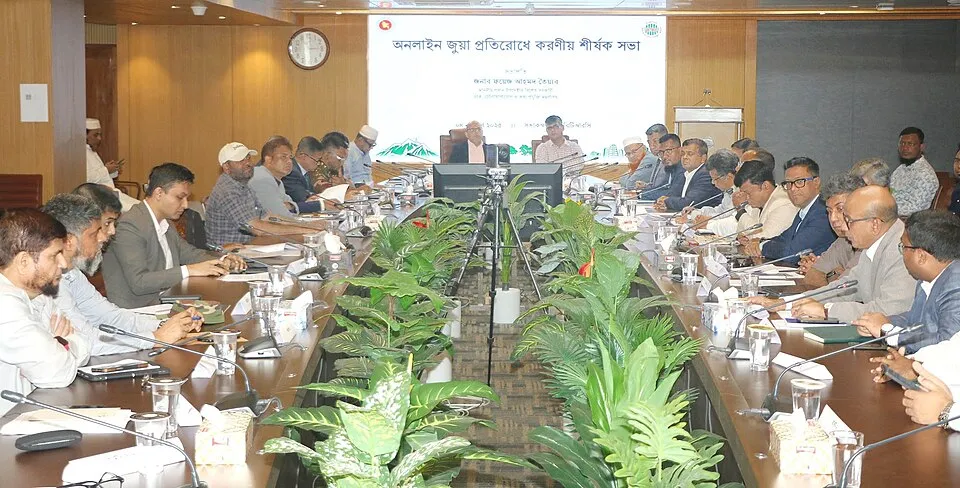
The Standing Committee on Social Policy and Legal Affairs delivered its landmark report in June 2023, outlining 31 recommendations to overhaul gambling advertising. The report’s full framework, available on the official archive, outlines a comprehensive gambling reform strategy that remains largely unimplemented. Chief among these was a phased comprehensive ban on all online gambling advertising, including social media platforms.
Yet as of March 2026, more than 1000 days have passed with only partial implementation. The Albanese government’s March 2026 reforms introduced a cap of three ads per hour and a live sports ban, but stopped short of the full ban. The Interactive Gambling Act 2001 was amended, but the core recommendation—a complete prohibition on digital gambling ads—remains unfulfilled.
Advocacy groups argue that delay undermines public health. The partial reforms leave social media targeting largely untouched, allowing the industry to continue normalizing gambling.
With Australia’s world-leading gambling losses, each day of inaction exposes more people to harmful marketing. The comprehensive ban was a necessary intervention to curb a national crisis.
The 2026 Reforms: Three Ads per Hour, Sports Bans, and Login Walls
The 2026 reforms introduced by the Albanese government include three key restrictions on gambling advertising:
- Three advertisements per hour (6 a.m. to 8:30 p.m.): Television and radio broadcasts are limited to three gambling ads per hour during daytime hours, reducing overall exposure but still allowing frequent advertising slots.
- Complete ban during live sports events: A total prohibition on gambling advertising during live sports broadcasts aims to protect children and vulnerable viewers from in-game betting promotions that normalize gambling.
- Login requirement for users over 18: Online platforms must restrict gambling ads to users who are logged in and verified as over 18, creating a technical barrier but not preventing targeted advertising to adults within platform ecosystems.
These measures build on the the 2025 gambling reform developments but stop short of a full digital ban. They represent a partial approach, focusing on traditional media and basic age gates while leaving social media targeting mechanisms largely unaddressed. The reforms do not ban gambling ads on digital platforms outright, allowing operators to continue reaching potential customers through algorithmic targeting.
The login requirement assumes robust age verification, which critics argue is easily circumvented. Moreover, once logged in, adult users—including those with gambling problems—can still be served highly targeted ads based on their behavior, creating ongoing risk of harm. Without addressing these digital loopholes, the reforms fail to achieve the comprehensive ban needed to protect public health.
The Missing Piece: Why a Comprehensive Ban Remains Unfulfilled
| Aspect | Peta Murphy’s 2023 Recommendation | 2026 Government Reforms | Remaining Gap |
|---|---|---|---|
| Ban Scope | Phased comprehensive ban on ALL online gambling advertising | Partial restrictions: 3 ads/hour cap, live sports ban, login requirement | No complete prohibition on digital ads |
| Social Media | Explicitly included in comprehensive ban | Not addressed; targeted ads continue for logged-in adults | Loophole persists on platforms like Facebook, Instagram |
| Legislative Basis | Amend Interactive Gambling Act 2001 to include full ban | Amendments to Interactive Gambling Act 2001 did not include full advertising ban | Core recommendation unfulfilled |
This table highlights the disconnect between the evidence-based recommendations and the government’s limited response. While the 2026 reforms mark the first major update to gambling advertising rules in decades, they stop short of the comprehensive digital ban that Murphy’s committee deemed necessary to protect public health. The Interactive Gambling Act amendments focused on broadcast caps and sports bans, leaving the most pervasive online advertising channels largely untouched.
Without a full ban, vulnerable Australians—including young adults and problem gamblers—continue to be exposed to sophisticated targeted advertising that exploits digital surveillance. The partial approach fails to close the loopholes that allow the gambling industry to maintain a constant presence in the digital lives of Australians. The the Gambling Advertising Standards Bill, currently under consideration, aims to address some of these gaps but has yet to gain government support.
Kate Chaney’s Stop the Gambling Ads Bill: A New Push for Murphy’s Legacy

March 30, 2026: The Introduction of the Private Member’s Bill
“The time for half-measures is over. We need a full ban on gambling ads to save lives,” declared Kate Chaney MP on March 30, 2026, as she introduced the Stop the Gambling Ads Bill in the House of Representatives.
The Private Member’s Bill represents a direct legislative effort to fulfill Peta Murphy’s vision without government delay. Key provisions include:
- Comprehensive ban: Prohibits all gambling advertising on online platforms, including social media, streaming services, and mobile applications.
- Amendment to Interactive Gambling Act 2001: Seeks to rewrite the Act to eliminate loopholes that permit digital ads.
- Enforcement mechanisms: Establishes penalties for platforms that fail to comply, including fines and potential injunctions.
- Coverage of all formats: Extends to banner ads, sponsored content, influencer promotions, and algorithmic targeting.
The bill also proposes the establishment of a dedicated the proposed Gambling Advertising Authority to oversee compliance and enforcement. While Private Member’s Bills rarely become law without government support, Chaney’s bill has galvanized public health advocates and drawn attention to the inadequacy of the 2026 reforms. It serves as a legislative marker for the full ban that many argue is necessary.
The bill also proposes a phased implementation over 12 months to allow industry adjustment, but with a clear end date for all digital gambling advertising. It has been referred to the House Standing Committee on Social Policy and Legal Affairs for inquiry, with public submissions closing in June 2026.
AMA’s Stance: Medical Community Demands Stronger Action
“The current reforms are a step in the right direction but do not go far enough to protect Australians from gambling harm. We need a complete ban on gambling advertising, especially online where it reaches vulnerable users most easily.” — Australian Medical Association, April 2026.
The Australian Medical Association (AMA) has been a vocal advocate for sweeping gambling advertising restrictions, positioning the issue as a public health emergency. Citing Australia’s status as the world leader in per capita gambling losses, the AMA argues that advertising normalizes harmful behavior and fuels addiction.
The medical body points to studies showing that exposure to gambling ads increases the likelihood of problematic gambling, particularly among adolescents and young adults. While welcoming the 2026 reforms’ caps and sports bans, the AMA contends that allowing targeted ads on social media undermines public health goals. The association has thrown its support behind Kate Chaney’s Private Member’s Bill, urging Parliament to enact a comprehensive ban without further delay.
The AMA also endorses complementary measures such as cashless gambling trials to reduce harm.
The AMA’s position aligns with other health organizations, including the Australian Psychological Society and the Royal Australian College of General Practitioners, which have all called for stronger action.
They emphasize that gambling addiction causes significant mental health issues, financial distress, and family breakdowns, costing the health system billions annually. Advertising restrictions are seen as a cost-effective prevention strategy that could reduce these harms before they escalate, complementing broader gambling harm prevention programs.
Social Media’s Loophole: Targeted Ads Still Reach Vulnerable Users
Even with the 2026 requirement that users log in to view gambling ads on online platforms, social media remains a significant loophole. Platforms like Facebook, Instagram, and TikTok employ sophisticated algorithmic targeting that serves gambling ads based on user behavior, interests, and demographics. Once an adult user is logged in, their activity—including visits to gambling sites, engagement with betting content, or even financial transactions—can trigger targeted advertising.
This means problem gamblers and vulnerable adults continue to be bombarded with personalized promotions that encourage continued betting. Moreover, the age verification process is often superficial, allowing some underage users to access adult accounts. The login requirement creates an illusion of protection while leaving the core problem—algorithmic targeting of at-risk individuals—unaddressed.
Critics argue that a true comprehensive ban must extend to social media to close this gap. The gambling industry spends billions annually on digital advertising, with a significant portion allocated to social media platforms where targeting capabilities are most advanced. These ads are not static; they adapt in real-time to user engagement, making them particularly effective at driving repeat behavior.
For individuals with gambling disorders, such targeted promotions can trigger relapse and exacerbate harm. The current reforms’ failure to regulate this space leaves a major exposure pathway open, undermining the overall public health objective of reducing gambling-related damage.
Australia’s Gambling Epidemic: The Global Context and Case for a Full Ban
World’s Highest Losses: The Human Toll of Australia’s Gambling Culture
“Australia’s gambling losses are not just a statistic—they represent families destroyed, lives lost to suicide, and communities devastated by addiction.” — Dr. Sarah Henderson, public health researcher, 2026.
Australia’s per capita gambling losses are the highest in the world, with the average adult losing over $1,200 annually according to 2026 data. This epidemic translates into real human suffering: financial ruin, family breakdowns, and a surge in mental health issues including depression and anxiety. Suicide rates among problem gamblers are alarmingly high, with studies showing they are up to 15 times greater than the general population.
The pervasive presence of gambling advertising—during sports broadcasts, on social media, and across digital platforms—normalizes betting and encourages risky behavior, particularly among young people who are exposed an average of 3-5 gambling ads per day according to recent surveys. Evidence from other jurisdictions demonstrates that reducing advertising exposure directly correlates with decreased gambling harm. Therefore, a comprehensive ban is not merely a regulatory choice but a public health imperative to stem the tide of this national crisis.
A detailed economic impact analysis reveals that long-term costs of addiction far outweigh short-term advertising revenue. The burden on healthcare and social services is immense, with mental health services reporting increased demand linked to gambling-related distress. Communities with high concentrations of gambling venues report elevated crime rates, reduced economic vitality, and intergenerational trauma.
The human toll is particularly severe among vulnerable groups, including Indigenous Australians and low-income populations, who experience disproportionate rates of gambling-related harm. A full advertising ban would be a critical step toward addressing these systemic issues and protecting future generations from the predatory tactics of the gambling industry. Without decisive action, Australia’s gambling epidemic will continue to exact a devastating toll on families and communities nationwide.
International Models: Where Comprehensive Bans Have Succeeded
International experience provides compelling evidence that comprehensive gambling advertising bans are both feasible and effective. While Australia’s 2025 gambling reform developments fell short, other countries have implemented full prohibitions on digital gambling ads and observed significant improvements in public health outcomes.
These models demonstrate that a complete ban can be enacted without crippling the gambling industry or destroying sports funding, as alternative revenue streams emerge. Key successes include:
- Reduced gambling-related harm: Countries with comprehensive bans report up to a 30% decline in problem gambling rates and significant reductions in financial distress among adults.
- High public acceptance: Initially contested, these bans have garnered strong public support over time, with polls showing over 70% approval in nations with long-standing prohibitions.
- Technical feasibility: Digital platforms have adapted to restrictions using age verification and content filtering, proving that a full ban is operationally achievable without breaking the internet.
- Youth protection: Underage exposure to gambling promotions has plummeted, with youth gambling participation dropping by as much as 40% in some jurisdictions.
- Sports broadcasting resilience: Sports leagues have successfully replaced gambling sponsorship with other advertisers and subscription models, maintaining revenue while reducing harmful associations.
These outcomes directly challenge the industry’s claims that advertising bans are unworkable or economically damaging. The evidence shows that comprehensive restrictions can coexist with a regulated gambling sector while dramatically reducing societal harm.
Moreover, these models provide a clear blueprint for Australia to follow, aligning with Peta Murphy’s original vision and addressing the nation’s urgent public health crisis. The success of comprehensive bans in multiple jurisdictions—from European nations to Canadian provinces—proves that Australia is not pioneering untested policy but rather catching up to proven global standards.
The most surprising aspect of Australia’s gambling ad reforms is the glaring disconnect between the nation’s world-leading gambling losses and the government’s half-measures. While other countries have enacted comprehensive bans, Australia clings to partial restrictions that leave social media targeting intact. This is not merely a policy failure—it’s a public health threat.
Action step: Contact your local Member of Parliament today. Urge them to support Kate Chaney’s Stop the Gambling Ads Bill and demand a full ban on online gambling advertising.
Visit gambling reform resources to learn more and join the movement to uphold Peta Murphy’s legacy. Peta Murphy’s fight for a comprehensive ban remains unfinished—it’s up to us to finish it.
