{
“title”: “Gambling Ad Ban in Sports Venues: Keeping Sports Free from Gambling Influence”,
“content”: “Starting January 1, 2027, Australian sports venues will enforce a complete ban on gambling advertisements, including stadium signage and betting logos on player uniforms. This landmark reform, announced by Prime Minister Albanese, also caps TV gambling ads at three per hour between 6am and 8:30pm and prohibits celebrities from promoting gambling.
Aimed at curbing children’s exposure, these measures follow years of advocacy by the late Peta Murphy and represent a significant step in Australia’s gambling reform efforts. The changes will reshape how sports are presented to families across the country.\n\n
-
\n
- Stadium gambling ads and uniform betting logos banned from January 1, 2027.
- TV gambling ads limited to three per hour between 6am and 8:30pm; radio ads restricted during school pick-up/drop-off times.
- Celebrities and athletes barred from appearing in gambling promotions to reduce influence on young fans.
- Reforms stem from Peta Murphy’s 2023 report recommending comprehensive advertising restrictions.
\n
\n
\n
\n
\n
\n\n## The Sports Venue Gambling Ad Ban: What’s Prohibited Starting January 2027\n\n### Stadium Signage and In-Venue Displays: Complete Prohibition\n\nThe ban prohibits all forms of gambling advertising inside sports stadiums and venues. This includes LED boards, static banners, digital screens, concourse displays, and even temporary signage. Both professional and community sports venues must comply, covering everything from major stadiums to local playing fields.
The rule applies to any venue where sports events are held, ensuring no gambling ads are visible to spectators. This eliminates constant visual exposure for families and children attending games. The measure directly addresses concerns that repeated exposure normalizes gambling for young fans.
According to the Australian government’s announcement, the ban takes effect on January 1, 2027. The reform follows recommendations from the late Peta Murphy‘s 2023 report, which identified in-venue advertising as a key driver of youth gambling initiation. These venue restrictions are part of a broader regulatory framework that includes the Gambling Advertising Standards Bill, establishing new rules for all gambling promotions.\n\n### Uniform and Equipment Logos: No Betting Branding on Players or Officials\n\nThe ban extends to what fans see on the field.
Betting company logos cannot appear on player jerseys, caps, equipment, or officials’ uniforms. This includes training gear, warm-up jackets, bench clothing, and any on-field apparel. Teams must remove existing sponsorships by the January 1, 2027 deadline.
Many major clubs currently have betting sponsors, so this will require significant changes to team branding. The prohibition covers all levels of sport, from elite competitions to local leagues. This ensures that young fans watching games on TV or in person are not exposed to betting branding on their favorite players.
The measure targets the powerful influence of athlete endorsements, which can make gambling appear glamorous and acceptable to children. By eliminating uniform logos, the reform cuts a direct link between sports heroes and gambling products, a key concern raised in Peta Murphy’s advocacy. Enforcement will involve monitoring by sports governing bodies and potential penalties for non-compliance, as outlined in the Gambling Advertising Authority guidelines.\n\n### Implementation Timeline: January 1, 2027 Enforcement Date\n\nThe ban takes effect on January 1, 2027.
This date applies to both stadium advertising prohibitions and uniform logo restrictions. While other parts of the gambling reform package, such as online advertising rules, have different implementation schedules, the sports venue and uniform bans are set for this deadline. The government has given sports organizations time to adjust sponsorships and remove existing gambling ads from venues.\n\n### Why This Matters: Protecting Children from Normalizing Gambling\n\nThese venue bans are fundamentally about child protection.
By removing gambling ads from stadiums and uniforms, the government aims to reduce children’s exposure to gambling marketing. This is a core objective of the reforms, as stated by Prime Minister Albanese. The measures respond to concerns that constant exposure to gambling advertising normalizes betting among young people, potentially leading to harmful gambling behaviors later.
The late Peta Murphy championed this cause, arguing that children should be shielded from gambling influence in spaces they frequent. Her 2023 report highlighted the link between advertising and youth gambling harm, making these venue restrictions a direct implementation of her recommendations. The success of these measures will depend on effective enforcement and public awareness, areas where gambling harm prevention programs play a crucial role.\n\n## Broadcast Restrictions: Capping TV and Radio Gambling Ads During Live Sports\n\n### The New Advertising Rules: A Side-by-Side Comparison\n\n
| Medium | Restriction | Time Period/Cap | Key Details |
|---|---|---|---|
| Television | Capped at three ads per hour | 6:00 AM to 8:30 PM | Applies to live sports broadcasts and general programming; reduces overall exposure during daytime and evening family viewing. |
| Radio | Restricted during school travel times | Around school pick-up and drop-off | Specific hours not fully detailed but aligns with typical school schedules; targets parents and children commuting. |
\n\nThe 6am to 8:30pm window captures a critical period when children are most likely to be watching television, including after-school hours and early evening family time. By limiting gambling ads to three per hour, the government significantly reduces exposure frequency. Radio restrictions target school pick-up and drop-off times, when children are commuting and likely to be listening.
The caps represent a shift from industry self-regulation and respond to concerns about normalization of gambling among youth. These measures work with venue and celebrity bans to shield children’s media consumption. The reforms also intersect with broader economic impact analysis of gambling restrictions.\n\nThe television cap is an average limit; broadcasters must avoid concentrating ads in short bursts to prevent high-exposure moments.
For radio, restrictions during typical morning drop-off (7-9am) and afternoon pick-up (2-4pm) periods will significantly reduce or eliminate gambling ads. This targeted approach recognizes children as a captive audience during commutes, often listening in cars or on personal devices. By aligning with school schedules, the policy maximizes protection during high-risk exposure windows.
These broadcast measures complement venue bans by covering media consumption outside stadiums, ensuring children are protected across multiple environments.\n\n### The Rationale: Reducing Gambling Ads When Children Are Most Likely to Be Tuning In\n\nThe rationale behind the specific time restrictions is to curb children’s exposure to gambling advertising during hours when they are most likely to be watching or listening. The 6am to 8:30pm window includes after-school hours and early evening family time, periods when children’s media consumption is high. By capping ads at three per hour, the government reduces the frequency of gambling messages reaching young audiences.
Radio restrictions during school pick-up and drop-off times target moments when children are commuting and exposed to broadcast media. This approach aligns with evidence that gambling advertising normalizes betting and encourages riskier behavior, particularly among young people. The reforms aim to break this cycle by limiting exposure during formative years.
As Peta Murphy’s report emphasized, protecting children from gambling influence is essential to prevent future harm. These time-based caps are a practical implementation of that principle, acknowledging that complete elimination may not be immediately feasible but that significant reduction is achievable. The measures also signal a shift in policy toward prioritizing public health over industry interests, a stance that cashless gambling trial initiatives have also explored in different contexts.\n\n## Celebrity and Athlete Endorsement Ban: Shielding Young Fans from Gambling Influence\n\n### Who Is Banned: Celebrities, Athletes, and Sports Stars from Gambling Ads\n\nThe ban prohibits celebrities and athletes from appearing in gambling advertising or odds-style promotions.
This includes current and former sports stars, as well as entertainment celebrities and social media influencers with significant followings. The restriction covers all forms of media, including television, radio, print, and social media promotions. By removing these influential figures, the government aims to reduce the glamorization of gambling among young fans.
Many gambling companies have used high-profile athletes and celebrities to endorse their products, leveraging their trust and popularity. This practice normalizes gambling and can encourage fans, especially children and young adults, to imitate their idols by betting. The ban ensures that sports heroes are not used as marketing tools for gambling, breaking a powerful psychological link.
The measure is a direct response to concerns that such endorsements increase the appeal of gambling to vulnerable audiences. These celebrity bans are a key component of the gambling reform Australia 2025 package, which introduced multiple advertising restrictions. Compliance will require gambling operators to audit their marketing materials and remove any celebrity or athlete associations by the implementation date.\n\n### Why Endorsements Matter: The Influence on Young Fans and Problem Gambling Risk\n\nCelebrity and athlete endorsements matter because these figures hold significant sway over young fans.
Children and adolescents often look up to sports stars as role models, and their association with gambling can make betting seem exciting, acceptable, and even desirable. This normalization effect is particularly dangerous because it can lower the perceived risks of gambling. Research indicates that exposure to gambling advertising, especially through trusted personalities, increases the likelihood of young people initiating gambling and developing problems later.
By banning these endorsements, the reform targets a key mechanism that has historically been used to attract new, younger customers to gambling products. The move aligns with Peta Murphy’s advocacy to protect children from gambling influence, recognizing that sports should be a safe space free from predatory marketing. Removing celebrities from ads is a crucial step toward reducing the social acceptability of gambling among youth.
It also sends a message that gambling is not a normal or glamorous part of sports culture, helping to shift public perception over time. This approach reflects the principles championed by Peta Murphy, whose legacy continues to drive the reform movement efforts in Australia.\n\nWhile the sports venue and broadcast bans represent significant progress, online gambling advertising remains largely unrestricted, with only age verification (over 18) and opt-out options. This partial approach falls short of the comprehensive ban recommended by Peta Murphy’s report.
True protection for children requires eliminating all gambling advertising, especially online where youth engagement is high. Honoring Peta Murphy’s legacy means continuing to push for total reform.
Readers can support this cause by contacting their local MPs, referencing Murphy’s recommendations, and advocating for a complete ban on all gambling advertising to keep sports and digital spaces safe for children.”,
“meta_description”: “Australia’s gambling ad ban in sports venues starts Jan 1, 2027. Learn what’s prohibited, broadcast caps, celebrity bans, and how it protects children from gambling influence.”,
“slug”: “gambling-ad-ban-in-sports-venues”,
“tags”: [“Anthony Albanese”, “Peta Murphy”, “Australian Government”, “Gambling Advertising Authority”, “Gambling Advertising Standards Bill”, “Broadcast Advertising”, “Sports Venues”],
“keywords”: [“gambling reform”, “gambling ad ban”, “sports advertising ban”, “gambling advertising restrictions”, “sports venue advertising”, “broadcast gambling ads”, “celebrity endorsement ban”, “January 2027 gambling ban”]}
Frequently Asked Questions About Gambling Ad Ban In Sports Venues
Does gambling advertising contribute to problem gambling?
Gambling advertising may contribute to problem gambling, and problem gamblers are more sensitive to advertising impact than non-problem gamblers. The distribution of NIGA responses across PGSI levels suggests that the more severe the gambling problems are, the greater the NIGA, except for the most s…
How did the whistle to whistle ban affect gambling advertising on TV a live football matching study?
After the introduction of the whistle-to-whistle ban in 2019, the number of gambling advertisements during live football broadcasts dropped by an average of 2.3 advertisements per game. Most of this reduction happened during half-time when gambling advertisements were restricted.
How much of sports advertising is for sports gambling?
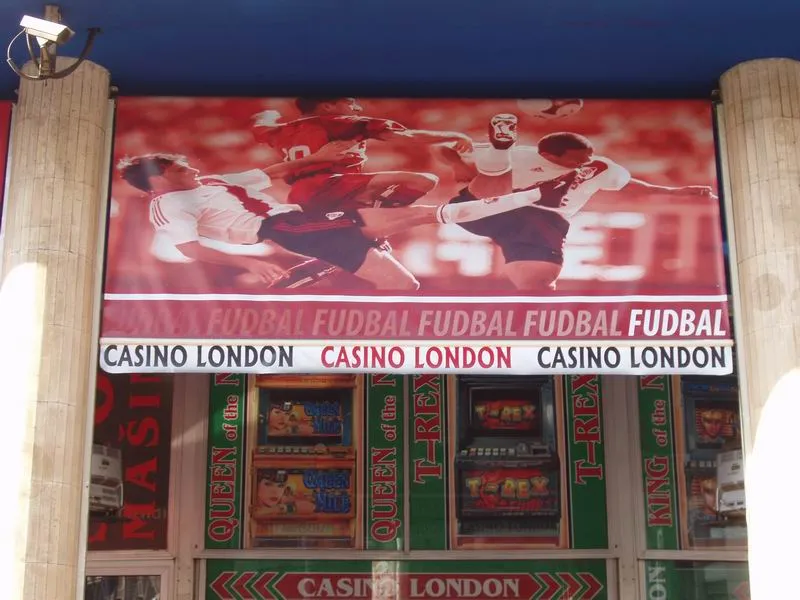
Sportsbooks accounted for 0.8% of the total national spend on television commercials in 2024, while advertising for alcohol represented 1.4%. Gambling and alcohol combined for less than 5% of the total advertising during sports content.
Is it true that 90% of gamblers quit before they hit it big?
The expression and accompanying 90% statistic is 100% fabricated. The idea simply originated from a social media meme, and nothing more.
Does Gen Z hate ads?
Myth 5: Gen Z Hates Ads They don't hate advertising; in fact, 67% say they like it. But they prefer ads to resonate, reflect their values, and entertain. Over half of Gen Zers say that advertisements that make them smile are the most memorable, and funny ads appeal to them the most.
