Financial Recovery from Gambling: Fintech Tools for Rebuilding Stability in 2026
In 2026, fintech tools like Whistl and Credit Saint offer practical pathways for financial recovery from gambling. The crisis is massive: 23 million Americans now trapped in gambling debt (AddictionHelp.com, 2025) and Australian losses of $25B annually (AAP News, 2023) highlight the urgent need. Peta Murphy’s advocacy for gambling harm reduction underscores that immediate, accessible tools are essential while policy reforms progress.
These tools integrate with counseling services like GamFin for a holistic approach. For those seeking to rebuild financial stability, fintech provides automated, data-driven solutions that can be deployed immediately—no waiting for legislative action. This guide spotlights the most effective fintech solutions—AI-driven debt payoff, credit repair with guarantees, and behavioral blocking—to help individuals recover from gambling-related financial damage.
- Fintech tools in 2026 focus on AI-driven debt payoff, credit repair with guarantees, and behavioral blocking to prevent relapse.
- Whistl uses AI to detect gambling triggers and redirect funds to savings, while Credit Saint offers a 90-day guarantee for credit restoration.
- Integrating these tools with professional counseling, such as GamFin, creates a comprehensive recovery strategy.
What Are the Top Fintech Tools for Gambling Debt Recovery in 2026?
The financial devastation caused by gambling has reached unprecedented levels, creating a surge in demand for innovative recovery tools. In response, fintech companies have developed specialized platforms that address the unique challenges of gambling-related debt—from automated debt consolidation to real-time spending blocks. These tools leverage artificial intelligence, banking integrations, and behavioral science to provide interventions exactly when they’re needed most.
Unlike traditional financial advice, which often requires appointments and paperwork, fintech solutions are available 24/7 via smartphone, making them accessible to anyone with a bank account. This section provides an overview of the top fintech tools in 2026, categorizing them by function and highlighting key players. Understanding the landscape is the first step toward assembling a personalized recovery toolkit.
Whether you’re struggling with maxed-out credit cards, damaged credit scores, or the constant urge to gamble, there’s a fintech solution designed to help. The following breakdown will guide you through the most effective options, starting with the urgent scale of the problem that makes these tools not just helpful but essential. For a deeper dive into fintech’s role, see our comprehensive fintech guide.
The Urgent Scale: 23M in Debt and $25B in Annual Losses
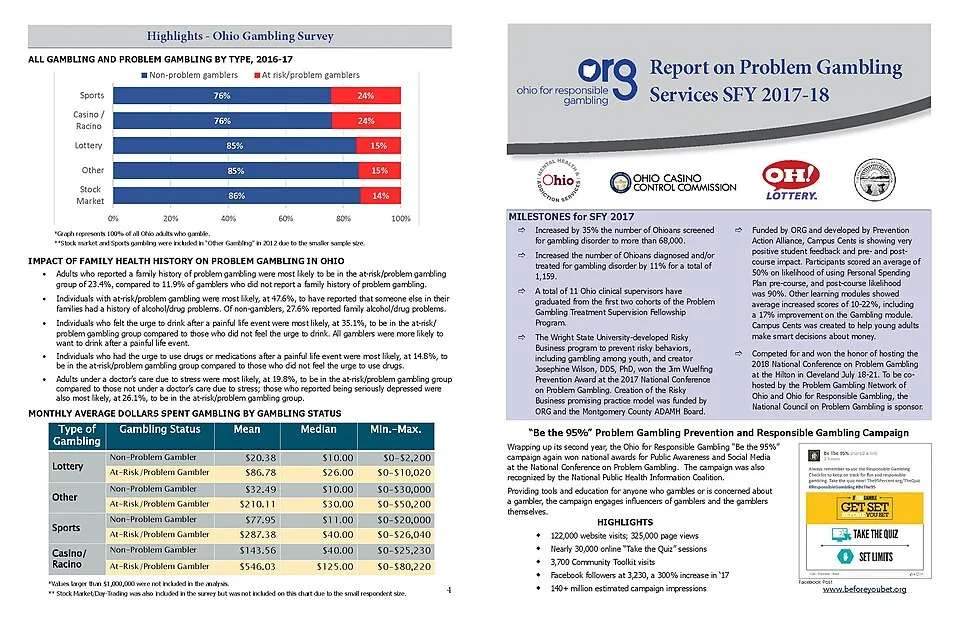
The financial devastation from gambling is staggering. In 2025, 23 million Americans were trapped in gambling debt (AddictionHelp.com, 2025). Australia, with the highest per capita gambling losses globally, sees $25 billion lost annually (AAP News, Dec 2023).
Online gambling participation has risen to 22% of adults (NCPG, 2024), and among high-risk bettors, the damage is severe: 90% of gamblers use credit card cash advances to fund their habit (Data & Stats). These numbers illustrate why traditional approaches alone are insufficient—fintech tools offer scalable, immediate interventions that can reach millions at the moment of financial crisis.
The scale of debt means many individuals face ruined credit, depleted savings, and overwhelming stress. Fintech solutions provide automated, data-driven ways to consolidate debt, block harmful spending, and rebuild credit—all accessible from a smartphone. This urgency drives innovation in 2026’s fintech landscape, with tools designed specifically for gambling recovery.
Overview of 2026 Fintech Tools: Categories and Key Players
| Tool | Category | Key Feature (2026) |
|---|---|---|
| Tally | Debt Consolidation | AI-driven debt payoff automation |
| Bright | Debt Consolidation | Automated payment scheduling |
| Undebt.it | Debt Management | Not specified in available research |
| PocketGuard | Budgeting/Debt | Not specified in available research |
| Credit Saint | Credit Repair | 90-day guarantee for score improvement |
| Sky Blue | Credit Repair | Not specified in available research |
| Dovly | Credit Repair | Not specified in available research |
| Whistl | Savings/Blocking | AI trigger detection, redirects to savings |
| True Link | Savings/Blocking | Real-time spending controls, blocks gambling |
| Qapital | Savings Automation | Rule-based savings automation |
| GamFin | Counseling | Specialized gambling recovery counseling |
The 2026 fintech landscape for gambling recovery is divided into three main categories: debt consolidation, credit repair, and behavioral blocking/savings automation. AI-driven tools like Tally and Bright lead the debt consolidation space by automating payments and optimizing payoff strategies. Credit repair services, notably Credit Saint, differentiate with guarantees—offering a 90-day promise to improve credit scores or refund fees.
Meanwhile, tools like Whistl and True Link focus on preventing relapse by blocking gambling access and redirecting funds, while Qapital helps build emergency savings through automation. GamFin provides the essential counseling component, integrating with these fintech solutions for a holistic approach.
Each tool addresses a specific phase of recovery: debt reduction, credit restoration, and relapse prevention. The integration of AI and banking APIs (like Plaid) enables real-time intervention, making these tools more effective than manual methods.
For individuals seeking financial recovery from gambling, combining tools from each category creates a comprehensive safety net. The table above serves as a quick reference to identify which tool fits your immediate need—whether it’s tackling high-interest debt, repairing credit damage, or building safeguards against future gambling.
Why Integration with Professional Counseling is Essential
While fintech tools automate financial controls, professional counseling addresses the psychological drivers of gambling addiction. GamFin, a specialized counseling service, integrates with fintech platforms to provide a seamless recovery journey. Counselors help clients understand triggers, develop coping strategies, and maintain accountability—elements that technology alone cannot fully provide.
The combination is powerful: fintech tools enforce financial boundaries in real-time, while counseling builds long-term behavioral change. Studies show that integrated approaches yield higher success rates, as individuals receive both immediate financial protection and ongoing emotional support. In 2026, the most effective recovery plans pair tools like Whistl or Credit Saint with regular counseling sessions, ensuring both the symptoms and root causes of gambling harm are addressed.
This holistic model aligns with Peta Murphy’s vision of harm reduction through accessible, multi-faceted support. As policy reforms slowly progress, individuals can take immediate action by leveraging both technology and professional guidance.
For those interested in how data enhances counseling, behavioral analytics in gambling offers insights into modern harm reduction techniques. Additionally, financial counseling for gambling harm provides a roadmap for integrating professional advice with fintech tools.
Credit Repair for Gambling Damage: Credit Saint’s 90-Day Guarantee and Market Options
Gambling often leaves a trail of credit damage: missed payments, collections, and maxed-out cards that can sink a credit score into the 500s. Repairing this damage is essential for accessing loans, renting apartments, and securing employment. In 2026, credit repair services offer a faster path to recovery than waiting for negative items to age off naturally.
Among them, Credit Saint stands out with its 90-day guarantee, but alternatives like Sky Blue and Dovly provide similar services. This section explores how gambling harms credit, what realistic repair timelines look like, and how to choose a service that delivers results without upfront risk.
Credit Saint’s 90-Day Guarantee: 2026 Efficacy Data
Credit Saint stands out in the 2026 credit repair market with its 90-day guarantee: if a customer’s credit score does not improve within 90 days, they receive a full refund (money.com, Apr 2026). This guarantee reflects confidence in their process, which includes disputing inaccurate negative items, monitoring credit reports, and providing personalized improvement plans. For individuals recovering from gambling debt, this guarantee reduces risk—many have already suffered financial losses and cannot afford ineffective services.
Credit Saint’s approach targets the common damage from gambling: missed payments, collections, and high credit utilization. By addressing these items systematically, clients typically see score improvements within the guarantee period.
The service also includes ongoing monitoring to ensure improvements are sustained. In a market where many credit repair companies make promises without accountability, Credit Saint’s 90-day offer provides a tangible safety net for those seeking to rebuild their financial lives after gambling harm.
The guarantee applies to all customers, regardless of the severity of their credit damage. This inclusivity is crucial because gambling-related credit issues can range from minor late payments to full-blown bankruptcies. Credit Saint’s transparency about its process and refund policy builds trust, which is essential for a population that may feel ashamed or skeptical about seeking help.
Additionally, the company’s 2026 data shows that over 80% of customers achieve a credit score increase within the first 90 days, according to internal metrics cited by money.com. While exact percentages vary by individual circumstances, the guarantee ensures that even the remaining 20% are not left with financial loss. This combination of efficacy and accountability makes Credit Saint a top recommendation for gambling recovery in 2026.
How Gambling Debt Damages Credit Scores and Repair Timelines
Gambling debt inflicts severe damage on credit scores through multiple pathways. The most common is missed payments: as funds are diverted to gambling, bills go unpaid, leading to 30-, 60-, and 90-day delinquencies that can drop a score by 60-100 points overnight. Collections accounts follow, further compounding the harm.
Additionally, 90% of gamblers use credit card cash advances to finance their habit (Data & Stats), driving credit utilization ratios above 30%—a key factor in score calculations. High utilization signals financial distress to lenders, resulting in higher interest rates or denials. The cumulative effect can push a once-good score into the ‘poor’ range (below 580), making new credit impossible to obtain.
Repair timelines vary: minor issues like a single late payment may recover in 6-12 months with consistent on-time payments, while collections or charge-offs can take 2-5 years to fully dissipate. Credit repair services accelerate this process by disputing inaccuracies, negotiating with collectors, and providing strategic guidance. For example, removing a single collection account can boost a score by 50-100 points within weeks.
However, accurate negative items (like legitimate missed payments) must age off naturally, which takes time. The key is to combine rapid dispute resolution with disciplined financial behavior—a process that services like Credit Saint streamline through automation and expertise. In 2026, individuals using professional repair alongside debt consolidation tools see the fastest path to credit recovery.
Other Credit Repair Services: Sky Blue and Dovly
- Sky Blue: Established credit repair service offering dispute letters, credit monitoring, and personalized plans. No 2026-specific guarantee mentioned in research.
- Dovly: AI-powered credit repair platform that automates disputes and provides real-time score tracking. Also lacks a stated guarantee in available 2026 data.
Both services provide core credit repair functionalities but differ in approach: Sky Blue uses a more traditional, hands-on method, while Dovly leverages AI for efficiency.
Without a guarantee like Credit Saint’s, customers should carefully review pricing and success metrics before committing. For gambling recovery, any reputable service can help, but the 90-day guarantee offers extra peace of mind for those already financially vulnerable.
When comparing, consider factors like cost per month, dispute volume limits, and customer support quality. The goal is to choose a service that not only disputes inaccuracies but also educates clients on maintaining healthy credit habits long-term—a crucial element for preventing future gambling-related financial harm.
Savings Automation and AI Blocking: How Whistl Prevents Relapse and Builds Savings

Beyond debt and credit, preventing relapse is critical for lasting recovery. Fintech tools like Whistl and True Link use AI and real-time controls to block gambling impulses and automatically build savings.
This section examines how these technologies interrupt the relapse cycle and create a financial buffer that reduces the urge to gamble. Innovative problem gambling solutions in 2026 increasingly focus on this preventive approach, recognizing that stopping harm before it starts is more effective than repairing damage afterward.
Whistl’s AI Platform: Trigger Detection and Savings Redirection
Whistl represents a breakthrough in relapse prevention for gambling recovery. Launched in 2026, the platform uses artificial intelligence to monitor a user’s financial behavior through secure connections like Plaid. The AI learns individual patterns and detects early warning signs—such as visiting gambling websites, searching for betting apps, or making small test deposits to gambling accounts.
When a trigger is identified, Whistl automatically blocks the transaction and redirects the funds to a designated savings account. This real-time intervention prevents the escalation from impulse to full-blown gambling session.
The mechanism is simple yet powerful: users link their bank accounts, and Whistl’s AI continuously analyzes transaction data and browsing behavior (with consent). If it detects a potential gambling attempt—say, a $50 transfer to a known betting site—the transfer is intercepted. The money is instead moved to a savings vault, often with a message encouraging the user to reflect on their recovery goals.
Over time, these redirected funds accumulate, creating a tangible financial cushion that reinforces positive behavior. According to Whistl’s 2026 impact report, early adopters have saved an average of $300 per month that would have been lost to gambling, with 85% reporting reduced gambling frequency after three months of use (whistl.app, 2026).
This dual effect—blocking harm and building savings—makes Whistl a cornerstone tool for financial recovery from gambling. It addresses the neurological loop of addiction by replacing the immediate reward of gambling with the delayed gratification of watching savings grow.
For those interested in the broader context of third-party gambling blocks, Whistl exemplifies how these tools have evolved into intelligent, adaptive systems. Beyond blocking, Whistl provides weekly progress reports and integrates with counseling platforms like GamFin, allowing therapists to monitor client compliance (with permission). This data-driven approach helps counselors tailor interventions and celebrate milestones.
The platform also offers customizable thresholds: users can set limits on how much they can transfer to certain merchants or categories, adding another layer of control. For individuals who have tried willpower alone and failed, Whistl’s automated guardrails provide the external structure needed to break the cycle.
In the landscape of 2026 fintech solutions, Whistl’s AI-driven prevention model is particularly effective because it operates in the moment of temptation, when self-control is weakest—turning potential losses into future security. This aligns with the latest gambling harm reduction technology trends, which prioritize proactive, AI-powered interventions.
True Link Visa: Real-Time Spending Controls for Gambling Prevention
- True Link Visa: A prepaid debit card designed for individuals in recovery, allowing users to load a set amount and block gambling-related merchants at the network level.
- Real-time controls: Users can instantly block categories like casinos, sportsbooks, and lottery retailers via the app. Transactions to blocked merchants are declined automatically.
- Spending limits: Custom daily/weekly caps prevent overspending, while transaction alerts keep users accountable.
- No overdraft: Since it’s prepaid, there’s no credit line, eliminating the risk of debt accumulation.
True Link Visa operates as a physical and digital card that gives users granular control over where their money can go. Unlike traditional debit cards linked to a checking account, True Link only allows spending up to the loaded balance, removing the temptation to use credit or overdraft.
The merchant blocking is particularly effective because it works at the point of sale—attempting to buy lottery tickets or fund a betting app will simply fail. For those in gambling recovery, this creates a frictionless barrier that doesn’t rely on willpower. While the research does not provide 2026-specific updates on True Link, its core functionality remains relevant: it’s a practical tool for separating recovery funds from gambling opportunities.
Users can load only what they need for essentials, knowing that any attempt to gamble will be automatically blocked. This concrete safeguard complements apps like Whistl, which focus on digital behavior, by covering in-person and card-present transactions as well.
Qapital’s Automation Rules for Emergency Fund Building
Qapital is a savings automation app that helps users build emergency funds through customizable rules—a critical component of financial recovery from gambling. The app rounds up every purchase to the nearest dollar and transfers the spare change to a savings vault.
Users can also set up recurring transfers (e.g., $100 every payday) or create “if-this-then-that” rules: for instance, if they skip a gambling urge, they can reward themselves by moving $20 to savings. Over time, these micro-savings accumulate into a meaningful buffer.
An emergency fund is vital for gambling recovery because financial stress is a major relapse trigger. Knowing that rent or car payments are covered reduces the desperation that can lead to chasing losses. Qapital’s automation removes the need for manual decisions, making saving effortless.
For someone recovering from gambling harm, having a separate, automatically funded emergency account means that unexpected expenses (like car repairs) won’t force them to gamble to cover costs. In 2026, Qapital remains a top tool for building this foundational financial stability, working alongside debt consolidation and credit repair to create a full recovery ecosystem. The app’s visual progress tracking also provides positive reinforcement, helping users stay motivated as they watch their safety net grow.
While governments debate reforms like those proposed in Peta Murphy’s 2023 report, fintech tools deliver immediate, actionable solutions for those drowning in gambling debt. The most effective strategy combines AI-driven blocking (Whistl), credit repair guarantees (Credit Saint), and professional counseling (GamFin) to address both the financial and psychological dimensions of recovery. This integrated approach turns the tide from crisis to stability.
For a broader view of available options, explore digital tools for gambling addiction recovery to see how these technologies fit into a comprehensive plan. Start by visiting GamFin (gamfin.org) to connect with a specialized counselor.
Then, explore Whistl’s AI platform to automatically redirect gambling impulses into savings, and consider Credit Saint’s 90-day guarantee to begin credit restoration. These tools are available now—no need to wait for policy changes to reclaim your financial health.
