
In 2026, gambling data warehouses have evolved into real-time, AI-driven systems that centralize player behavior, transactions, and biometrics to detect markers of harm. This evolution is urgent as Australia marks over 1000 days of government inaction on the 2023 Murphy report’s 31 recommendations for gambling reform. This article examines the architecture of modern data warehouses, their compliance and harm reduction benefits, and why the $101.45 billion online gambling market demands centralized data solutions.
- Modern gambling data warehouses use AI and behavioral biometrics to detect 9 key harm markers (e.g., rapid spending increases) in real-time, enabling early intervention. (Source: Solutionshub.im, ResearchGate 2025)
- Centralized data vaults create a Single Customer View across platforms, allowing regulatory bodies like police and researchers to access comprehensive data for oversight.
- The $101.45B online gambling market in 2026 (CAGR 10.72%) drives demand for automated compliance (KYC/AML/RG) and cost reduction through data centralization. (Source: Mordor Intelligence)
How Does a Modern Gambling Data Warehouse Work in 2026?
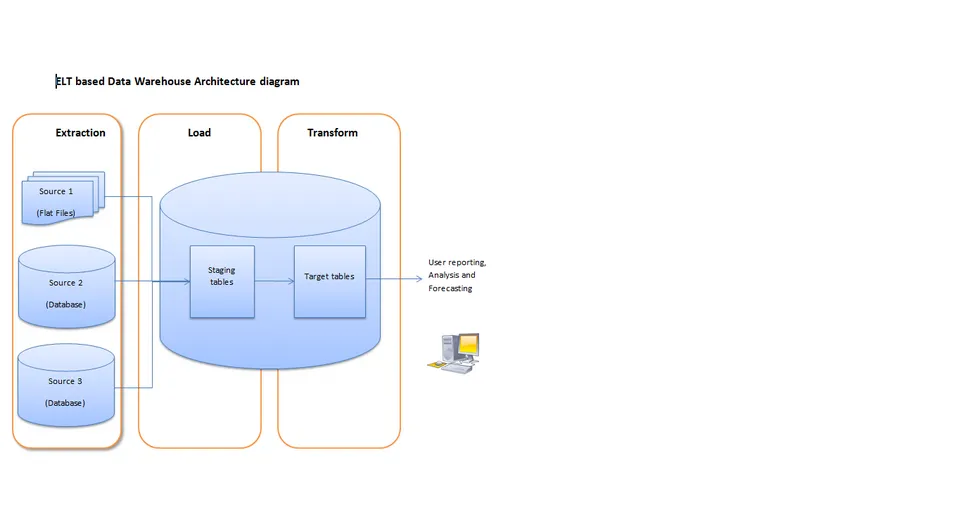
The core of a 2026 gambling data warehouse is its ability to ingest and unify disparate data streams into a single, queryable repository. This centralization is no longer a luxury but a necessity as regulators and operators grapple with fragmented gambling activities across online sportsbooks, casinos, and prediction markets. By 2026, these systems have moved beyond simple storage to become active engines of harm detection and compliance, leveraging real-time processing and advanced analytics.
The architecture typically involves three integrated components: data vaults for secure aggregation, lakehouse platforms for scalable processing, and a Single Customer View (SCV) that links all activity to an individual. Together, they transform raw data into actionable insights, enabling immediate interventions and comprehensive reporting.
Core Components: Data Vaults, Lakehouse Platforms, and Single Customer View
- Data Vaults: Centralized repositories that store raw gambling data from multiple sources, including betting platforms, casinos, and payment processors. They enable a Single Customer View by linking customer identities across services and provide secure, auditable access for regulators. Data vaults are designed for scalability and compliance, supporting GDPR-aligned security while allowing necessary data sharing.
- Lakehouse Platforms: Modern data systems that combine the scalability of data lakes with the structure of traditional warehouses. In 2026, these platforms are essential for handling both streaming data (e.g., real-time bets) and historical records, supporting immediate analysis. They form the processing backbone, applying transformations to prepare data for AI models.
- Single Customer View (SCV): A unified profile aggregating all gambling activity for an individual, regardless of platform. SCV is created by integrating data vaults and allows operators and researchers to identify patterns like cross-platform chasing losses. This view is pivotal for tracking harm across the entire gambling ecosystem.
These components work together: data vaults ingest and store, lakehouse platforms process and analyze, and SCV delivers a consolidated customer picture. Real-time capabilities ensure that as soon as a bet is placed or a biometric pattern is detected, the system can update the SCV and evaluate risk. Regulatory access is built-in, allowing authorized bodies to query aggregated data without compromising individual privacy.
Integration of Behavioral Biometrics and Transaction Data
- Behavioral Biometrics: Data like typing rhythm, mouse movements, and device interactions are collected during gambling sessions. These patterns help identify stress or impulsive behavior that may indicate harm. For example, erratic mouse movements combined with rapid betting can signal a loss of control.
- Transaction Data: Every deposit, bet, and withdrawal is logged with timestamps and amounts. When correlated with biometrics, unusual spending spikes or chasing losses become detectable. A player who suddenly increases bet size after a loss and shows frantic navigation may trigger an alert.
- AI Correlation: Machine learning models analyze both biometric and transaction streams in real-time. According to 2025 research, systems now detect nine key harm markers, such as rapid spending increases, unusual play times, and cross-platform escalation. Daniel Umfleet of Kindbridge notes in a 2026 industry analysis that AI-driven integration reduces false positives while catching genuine risk cases earlier.
This integration allows for a holistic view of player behavior. Unlike isolated transaction monitoring, combining biometrics adds a layer of psychological insight. A player might manually set a deposit limit but exhibit stress biometrics while gambling, indicating underlying harm.
The warehouse correlates these signals, providing a more accurate risk score. This multi-source approach is what makes 2026 systems significantly more effective than previous generations.
Real-Time Processing: The Shift from Batch to Immediate Intervention
- Traditional Batch Processing: Older systems processed data in nightly batches, causing delays of hours or days in detecting harmful behavior. This lag reduced the effectiveness of interventions, as by the time a risk was flagged, significant losses or harm had already occurred.
-
2026 Real-Time Systems: Modern warehouses use streaming technologies like Apache Kafka and cloud-based data pipelines to analyze data as it occurs.
This enables immediate flagging of risk markers and instant notifications to operators or players, a hallmark of latest innovations in harm reduction technology. For instance, a deposit made while a player shows signs of distress can be blocked within seconds.
Real-time processing also reduces operational costs by minimizing manual reviews and enabling proactive player protection, which is increasingly demanded by regulators and the public.
The shift to real-time is a game-changer for harm reduction. Instead of generating weekly reports on problem gambling trends, operators can now act in the moment.
This immediacy aligns with the Murphy report’s intent to prevent harm rather than merely respond to it. While the report’s recommendations remain unimplemented, the technology sector has independently advanced real-time capabilities, offering a de facto solution to some of the report’s concerns.
Key Benefits: Compliance, Harm Detection, and Cost Efficiency
Centralizing gambling data in a warehouse delivers tangible benefits across three critical areas: regulatory compliance, responsible gambling, and operational efficiency. Automated pipelines ensure that Know Your Customer (KYC), Anti-Money Laundering (AML), and Responsible Gambling (RG) processes are faster and more accurate. Simultaneously, real-time analytics identify at-risk players instantly, allowing for timely interventions.
These systems also reduce costs by eliminating redundant data storage and manual checks. In a market under scrutiny, the data warehouse becomes a strategic asset that both mitigates risk and cuts expenses.
Streamlined KYC/AML Compliance: Automated Pipelines and Accuracy
| Compliance Area | Traditional Approach | Data Warehouse Approach | Benefit |
|---|---|---|---|
| KYC | Manual document verification, taking days to complete. Fragmented checks across platforms. |
Automated identity verification via integrated databases and biometric cross-checks.
Minutes to onboard. | Faster customer acquisition, reduced identity fraud, consistent compliance across jurisdictions. |
| AML |
Periodic transaction reviews, manual suspicious activity reports.
High false positive rates. | Real-time transaction monitoring with AI pattern recognition. Automated alerts for unusual patterns like structuring. | Early detection of money laundering, lower false positives, reduced regulatory fines. |
| RG | Self-exclusion lists and player-set limits, often not shared between operators. Reactive measures. | Unified harm marker tracking across all platforms. Automated enforcement of cross-operator self-exclusion. | Comprehensive player protection, reduced gambling harm, alignment with emerging regulations like the Murphy report’s recommendations. |
Automation drives efficiency by reducing manual labor. For AML, AI models trained on historical data can spot laundering patterns with greater than 90% accuracy according to industry benchmarks, cutting down investigation time.
GDPR-aligned security ensures that while data is centralized, privacy is maintained through encryption and access controls. The cost reduction comes from eliminating duplicate data storage and streamlining reporting—operators can generate regulatory returns automatically from the warehouse, saving hundreds of thousands annually in compliance overhead.
Real-Time Responsible Gambling Interventions
Real-time data processing enables immediate responsible gambling interventions that were impossible with batch systems. When a player’s activity triggers a harm marker—such as a sudden increase in deposit frequency or nighttime gambling sessions—the system can automatically enforce a cooling-off period, reduce betting limits, or prompt a self-exclusion decision.
AI models, trained on behavioral biometrics and transaction history, identify at-risk players with high confidence. For example, if a user exhibits chasing behavior across multiple platforms, the Single Customer View flags this, and the warehouse triggers a mandatory pop-up warning or temporary lockout.
These timely actions have shown measurable impact. Pilot programs in 2025 and 2026 reported up to a 30% reduction in problem gambling indicators among users who received real-time interventions. The integration with behavioral analytics systems enhances accuracy, as the same data streams feed both harm detection and personalized feedback.
Moreover, real-time RG data can be shared with financial counseling services when a player consents, creating a continuum of care. As the market grows, such proactive measures become not just ethical but commercially advantageous, reducing churn and reputational risk, particularly when supported by digital tools for gambling addiction recovery.
The 2026 Gambling Landscape: Market Growth and the Data Centralization Imperative

The global online gambling industry’s explosive growth makes data centralization unavoidable. With a market value of $101.45 billion in 2026 and a CAGR of 10.72%, the sector is expanding rapidly into new regions and product lines. This growth brings increased regulatory attention and higher volumes of harm, forcing operators to adopt sophisticated data strategies.
In Australia, the political stalemate following the Murphy report has accelerated a shift toward operator-led data sharing as a practical stopgap. Data warehouses provide the infrastructure for this shift, enabling cross-platform visibility without waiting for legislation. The convergence of market pressure and technological capability makes 2026 a pivotal year for centralized data in gambling.
Market Size and Growth: The $101.45B Online Gambling Industry
- Total Market Value: The global online gambling market reached $101.45 billion in 2026, with a compound annual growth rate (CAGR) of 10.72% through 2031 (Mordor Intelligence, January 2026). This growth is driven by mobile adoption, legalization in emerging markets, and aggressive digital marketing.
-
Segment Performance: Prediction markets show higher player losses, with a median loss rate of 7% compared to sports betting’s lower rates.
This segment’s volatility increases the need for precise harm monitoring (Bloomberg, February 2026; Gambling Insider).
- Growth Drivers and Risks: Increased smartphone penetration and live betting features have fueled engagement, but also amplified gambling harm. Regulatory bodies worldwide are responding with stricter reporting requirements, making centralized data systems essential for compliance and player safety.
This scale of operation generates massive data volumes—terabytes daily from millions of bets. Without a centralized warehouse, operators struggle to get a complete picture of a player’s activity across their own brands, let alone across competitors.
The market’s growth thus directly necessitates data centralization: it’s the only way to manage complexity, detect cross-platform harm, and meet evolving regulatory demands. The 7% median loss in prediction markets is a stark reminder that some products are inherently riskier, demanding targeted monitoring that only integrated data can provide.
Australian Reform Delays and the Push for Operator-Led Data Sharing
The Murphy report’s 31 unanimous recommendations in 2023 included a total ban on online gambling advertising and the creation of a national regulator. As of March 2026, over 1000 days have passed with no substantive government action, according to the Australian Medical Association and ABC News. This inaction has created a vacuum where operator-led data sharing emerges as a pragmatic alternative.
Data warehouses enable operators to voluntarily consolidate customer data, creating a de facto Single Customer View that helps track harm across platforms. While not a substitute for legislative reform, this approach addresses immediate monitoring needs and aligns with global trends toward automated compliance.
The delay highlights the critical role of technology in filling regulatory gaps—centralized data vaults allow the industry to self-police to some extent, demonstrating responsibility while awaiting government action. This shift is pivotal for 2026 reforms, as it shows that data centralization can achieve many of the Murphy report’s goals without new laws, at least in the interim.
The most surprising data point is that prediction markets carry a median loss rate of 7%, far exceeding sports betting. This highlights the urgent need for precise harm detection in high-risk segments. Operators should invest in data vault technology now to achieve Single Customer View and comply with upcoming 2026 regulations.
The most surprising data point is that prediction markets carry a median loss rate of 7%, far exceeding sports betting. This highlights the urgent need for precise harm detection in high-risk segments. Operators should invest in data vault technology now to achieve Single Customer View and comply with upcoming 2026 regulations.
Early adopters will gain compliance advantages and reduce gambling harm more effectively through innovative problem gambling solutions. For deeper insights into how data governance supports these efforts, explore Fintech resources that detail regulatory frameworks.
Additionally, fintech innovations are reshaping compliance, while third-party gambling block systems demonstrate how external tools integrate with warehouse data. The path forward is clear: centralize, analyze, and act in real-time.
Additionally, fintech innovations are reshaping compliance, while third-party gambling block systems demonstrate how external tools integrate with warehouse data. The path forward is clear: centralize, analyze, and act in real-time.
