

Gambling venue density caps are regulatory limits on the number of gambling venues or electronic gaming machines allowed within a specific geographic area. These caps have become a central component of Australia’s landmark gambling reforms announced in April 2026, three years after the Murphy Report highlighted the urgent need for stronger harm reduction measures. The primary goal is to reduce gambling harm by limiting accessibility in high-density areas where gambling opportunities are concentrated.
This policy represents a significant shift toward evidence-based regulation, moving beyond voluntary codes to mandatory limits on venue proliferation. The timing is critical: with online gambling advertising still pervasive despite public concern, density caps offer a tangible tool for local governments to protect vulnerable communities. Density caps directly address the concentration of gambling venues that has been linked to increased problem gambling rates in vulnerable communities.
The 2026 reforms mark the first time the Australian government has mandated such caps at the national level, empowering local councils to set limits based on their specific demographic and socioeconomic conditions. This localized approach recognizes that gambling harm is not evenly distributed—some suburbs experience far higher rates of addiction and related problems than others. For a comprehensive overview of the reform package, see the gambling reform page.
- Gambling venue density caps limit the number of venues or machines in a geographic area to reduce concentration of gambling opportunities (Research Notes).
- Local governments enforce caps through zoning laws, licensing, and planning regulations (Research Notes).
- The effectiveness of density caps depends on implementation details and local context, with ongoing debate about their impact (Research Notes).
Australia’s 2026 Gambling Reforms: Venue Density Caps Explained
The April 2026 Reforms: Caps, Age Restrictions, and Sports Advertising Bans
The Australian government’s April 2026 reforms represent the first major policy response to the Murphy Report, introducing the most significant gambling changes in over a decade. According to igamingbusiness.com, the reforms introduce three pillars:
- Venue density caps: Mandatory limits on gambling venues and machines per geographic area
- Increased age restrictions: Raising minimum gambling age from 18 to 21 for certain products
- Ban on gambling ads in sports venues: Prohibiting all gambling advertising at sporting events and venues
Prime Minister Anthony Albanese announced these measures at a press conference, stating they are designed to minimise gambling harms across Australian communities. The reforms follow intense pressure from advocates including the late Peta Murphy’s family, who have campaigned tirelessly since the 2023 Murphy Report. The 1000-day delay between the report’s release and government action sparked widespread criticism, but the April 2026 announcement signals a new direction.
These three components work together to create a comprehensive harm reduction framework, with density caps forming the spatial regulatory backbone. The full implications are detailed in the gambling reform Australia 2025 analysis.
Pathological Gambling: Clinical Definition and Life-Disrupting Consequences
Pathological gambling is clinically defined as a chronic inability to resist the impulse to gamble, resulting in serious damage to a person’s social, vocational, and financial life. This condition, now recognized in the DSM-5 as Gambling Disorder, goes far beyond recreational betting and constitutes a behavioral addiction with severe consequences.
Individuals with pathological gambling often experience:
- Financial ruin: Massive debt, bankruptcy, and loss of assets
- Relationship breakdown: Marital conflict, family estrangement, and social isolation
- Employment problems: Job loss, absenteeism, and reduced productivity
- Legal issues: Theft, fraud, and other crimes to fund gambling
Research shows compulsive gambling frequently co-occurs with substance misuse disorders, depression, anxiety, bipolar disorder, OCD, and ADHD. The life-disrupting impact can persist for years, affecting not only the individual but also their family and community.
The rationale for density caps is rooted in public health prevention: by reducing the physical accessibility of gambling venues, policymakers aim to interrupt the progression from recreational gambling to pathological gambling. Fewer venues in high-density areas means fewer triggers and opportunities for vulnerable individuals to develop harmful patterns. By limiting venue density, communities can reduce the environmental triggers that contribute to the development of pathological gambling, particularly in areas with high existing venue concentrations.
This approach aligns with the harm reduction philosophy advocated by organizations like Responsible Gambling Victoria and GambleAware NSW. These findings align with evidence from gambling harm prevention programs that show integrated approaches work best.
Debunking the ‘90% Quit’ Myth: What the Data Actually Shows
A persistent myth in gambling discussions claims that 90% of gamblers quit before hitting it big. This statistic has been thoroughly debunked by experts. The reality is:
- The 90% statistic is 100% fabricated with no scientific basis
- It originated from a social media meme that spread widely online without evidence
- No peer-reviewed research supports this claim
- The myth has been used to justify lax regulation by suggesting most gamblers self-correct
Policymakers must rely on actual data, not viral myths, when designing effective density caps. The debunking of this 90% claim underscores the importance of evidence-based policy in gambling reform. Real data shows that problem gambling affects approximately 1-2% of adults in Australia, with significant financial and social costs.
Density caps address this real problem directly, rather than relying on comforting but false narratives about self-correction. Policymakers must therefore rely on peer-reviewed studies and official health statistics rather than unverified claims when setting density cap levels. Policymakers must consult the gambling advertising standards bill to ensure evidence-based decisions.
Local Government Implementation: Zoning, Licensing, and Planning Tools

Zoning Laws: Geographic Restrictions on Venue Concentration
Local governments are the primary enforcers of density caps through zoning laws and planning regulations. These tools allow councils to establish geographic restrictions that control where gambling venues can operate and how many can exist within defined areas.
Zoning approaches include:
- Buffer zones: Prohibiting new venues within specified distances of schools, community centers, or existing venues
- Area caps: Setting maximum venue counts per suburb or electoral district
- Use restrictions: Limiting gambling to specific commercial zones while excluding residential areas
For example, a council might designate that only two poker machine venues can operate within a 5-kilometer radius in a low-income suburb with high gambling harm rates. This prevents clustering that would otherwise concentrate gambling opportunities in vulnerable communities. Councils may also implement ‘cumulative impact assessments’ that evaluate the total gambling venue density in an area before approving new licenses.
Some jurisdictions require ‘gambling impact statements’ from applicants, documenting how new venues would affect local harm rates. These tools ensure density caps are not just theoretical limits but actively enforced regulations.
The effectiveness of zoning depends on robust enforcement. Local planning departments must review every venue application against density limits and reject proposals that would exceed caps. Community consultation is often required, allowing residents to voice concerns about proposed venues.
This local-level control is crucial because gambling harm patterns vary significantly between neighborhoods—what works in inner-city Melbourne may not suit regional Victoria. The variation in harm patterns between neighborhoods means density caps must be flexible—what works for a regional town may not suit a dense urban area—but the principle of limiting concentration remains constant. The economic impact gambling restrictions study shows zoning approaches can be cost-effective.
Licensing Frameworks: Population-Based Caps and Machine Allocations
Licensing systems enforce density caps using population-based ratios. Common approaches include:
- Per capita venue limits: one venue per 3,000-5,000 residents
- Machine-to-population ratios: maximum electronic gaming machines per 1,000 residents
- Area-based allocations: fixed venue counts per local government area
State gambling commissions establish these ratios with local councils. Victoria’s Responsible Gambling Victoria framework and GambleAware NSW’s licensing controls use this method. Some states use ‘tiered licensing’ where venue caps vary by venue type—for example, higher caps for hotels with limited gaming than for dedicated casinos.
This recognizes that different venue formats pose varying levels of harm risk. Additionally, machine-to-population ratios often include ‘safety buffers’ that reduce allowed machines in identified high-risk areas such as low-income suburbs or regions with high problem gambling prevalence.
The licensing process includes application review, public notification, regular audits, and renewal conditions linked to cap compliance. This creates sustainable enforcement that adapts to population changes while maintaining harm reduction goals.
Regular audits typically involve both desk-based reviews of machine activity data and on-site inspections to verify actual machine counts and compliance with spatial requirements. The gambling advertising authority Australia provides oversight that complements local licensing.
How Do Density Caps Reduce Gambling Harm in High-Density Areas?
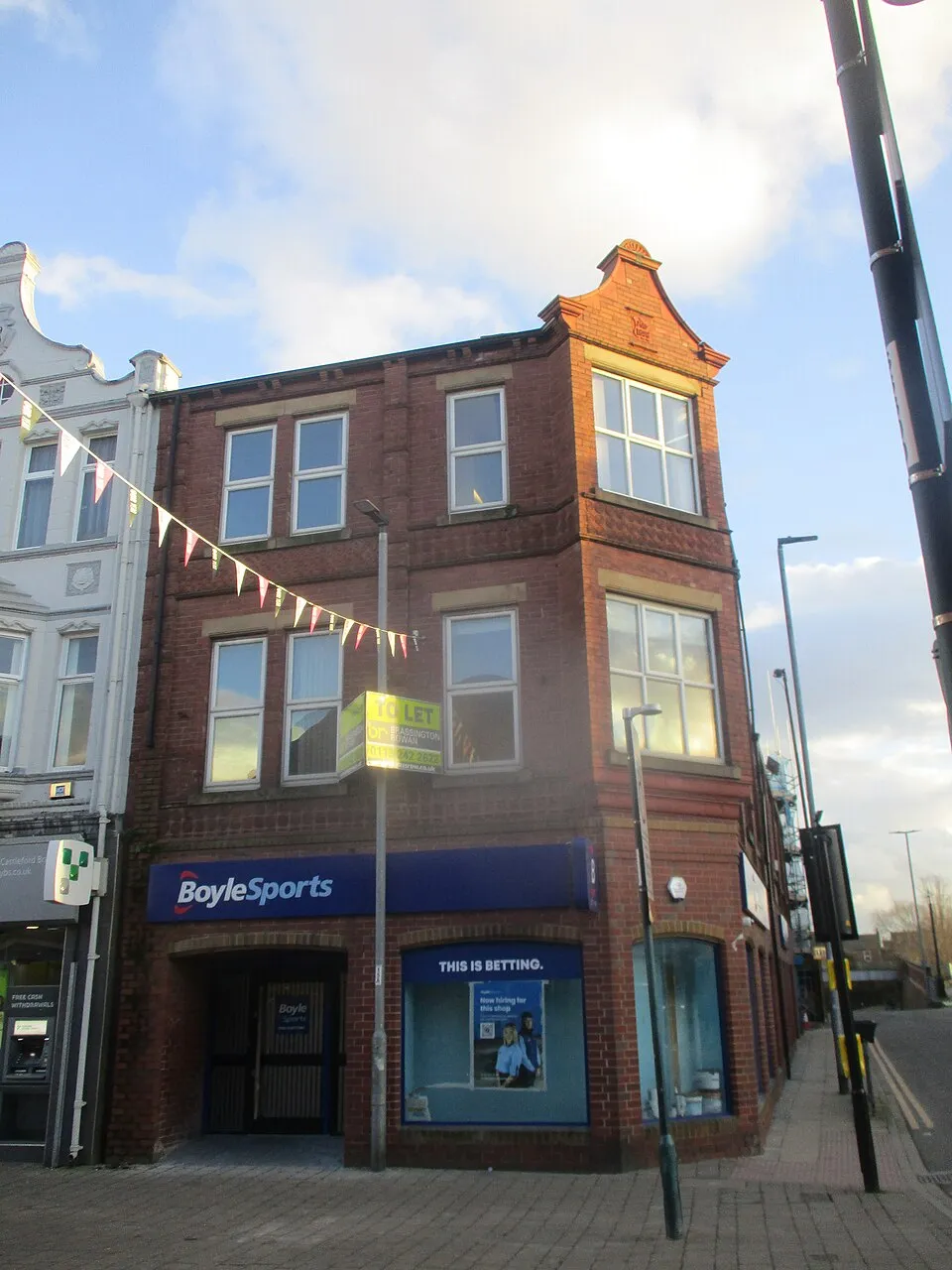
Community Impact: Increased Crime, Lost Productivity, and Strained Social Services
High-density gambling areas experience measurable negative community effects that extend beyond individual gamblers. Research from the AI Overview identifies these key community harms:
- Increased crime rates: Areas with concentrated gambling venues show higher rates of both property crime and violent crime
- Reduced productivity: Workplace absenteeism and presenteeism increase among residents, affecting local businesses
- Strained social services: Local healthcare systems and social support agencies experience higher demand for gambling-related problems, including mental health crises and financial counseling
These community-level harms create a cycle of disadvantage that affects even non-gamblers. Density caps aim to break this cycle by limiting the number of venues, thereby reducing the overall concentration of gambling opportunities. Fewer venues mean fewer locations where harmful gambling can develop and escalate.
The relationship between gambling density and crime is particularly concerning: studies show that each additional gambling venue in a neighborhood correlates with a measurable increase in property offenses, likely driven by financial desperation among problem gamblers. Workplace productivity losses manifest as both absenteeism (employees skipping work to gamble) and presenteeism (employees distracted by gambling thoughts while at work), costing Australian businesses an estimated $1.5 billion annually in lost output.
The economic costs are substantial: Australian productivity losses from gambling harm reach billions annually, while healthcare systems bear the burden of related mental health issues. Density caps offer a proactive prevention approach rather than reactive treatment.
Social services strain includes increased demand for financial counseling, mental health services, and family support programs—resources that are often already stretched thin in communities with high gambling density. For more on community-level interventions, see the gambling reform overview.
Casino Revenue Concentration: Why 20% of Space Generates 75% of Income (2025 Study)
A 2025 GGB Magazine study revealed that over 75% of casino revenue comes from just 20% of gaming space. This extreme concentration shows how casinos design spaces to maximize profit from problem gamblers.
The study identified high-traffic areas near entrances, restaurants, and high-limit rooms as revenue hot spots that also attract problem gamblers.
The spatial concentration of revenue mirrors the concentration of harm. The 2025 GGB Magazine study used actual casino financial data across multiple jurisdictions to derive the 75/20 ratio, making it one of the most robust empirical analyses of casino spatial economics to date. The study also found that revenue per square meter declines sharply outside these high-traffic zones, confirming that casinos intentionally design spaces to funnel patrons through high-profit, high-harm areas.
This 75/20 split demonstrates that reducing venue density disrupts the business model profiting from gambling harm. By capping venues in a geographic area, regulators reduce high-revenue, high-harm spaces.
Even modest density reductions could significantly impact overall gambling harm. This spatial design strategy—known as ‘casino floor optimization’—is well-documented in industry publications and directly contradicts any claim that gambling venues are neutral spaces.
The finding explains industry resistance to density caps and underscores the need for evidence-based policymaking that prioritizes public health over profits. The cashless gambling trial Australia findings suggest technology could complement density caps.
Closing:
The most surprising finding from recent research is how dramatically casino revenue concentrates—75% comes from just 20% of space—making density caps a precisely targeted harm reduction tool. Rather than spreading gambling opportunities evenly, venues deliberately design spaces to maximize profit from problem gamblers. Capping venue numbers directly attacks this business model.
Actionable step: Engage with your local council’s planning processes. Attend meetings where gambling venue applications are considered, submit written objections citing density cap evidence, and advocate for your community to adopt population-based venue limits. The 2025 GGB Magazine study provides compelling data on revenue concentration that supports strong density caps.
Your voice can help ensure local governments use their zoning and licensing powers to protect communities from concentrated gambling harm. Review the gambling reform Australia 2025 page for the latest policy developments.
Frequently Asked Questions About Gambling Venue Density Caps
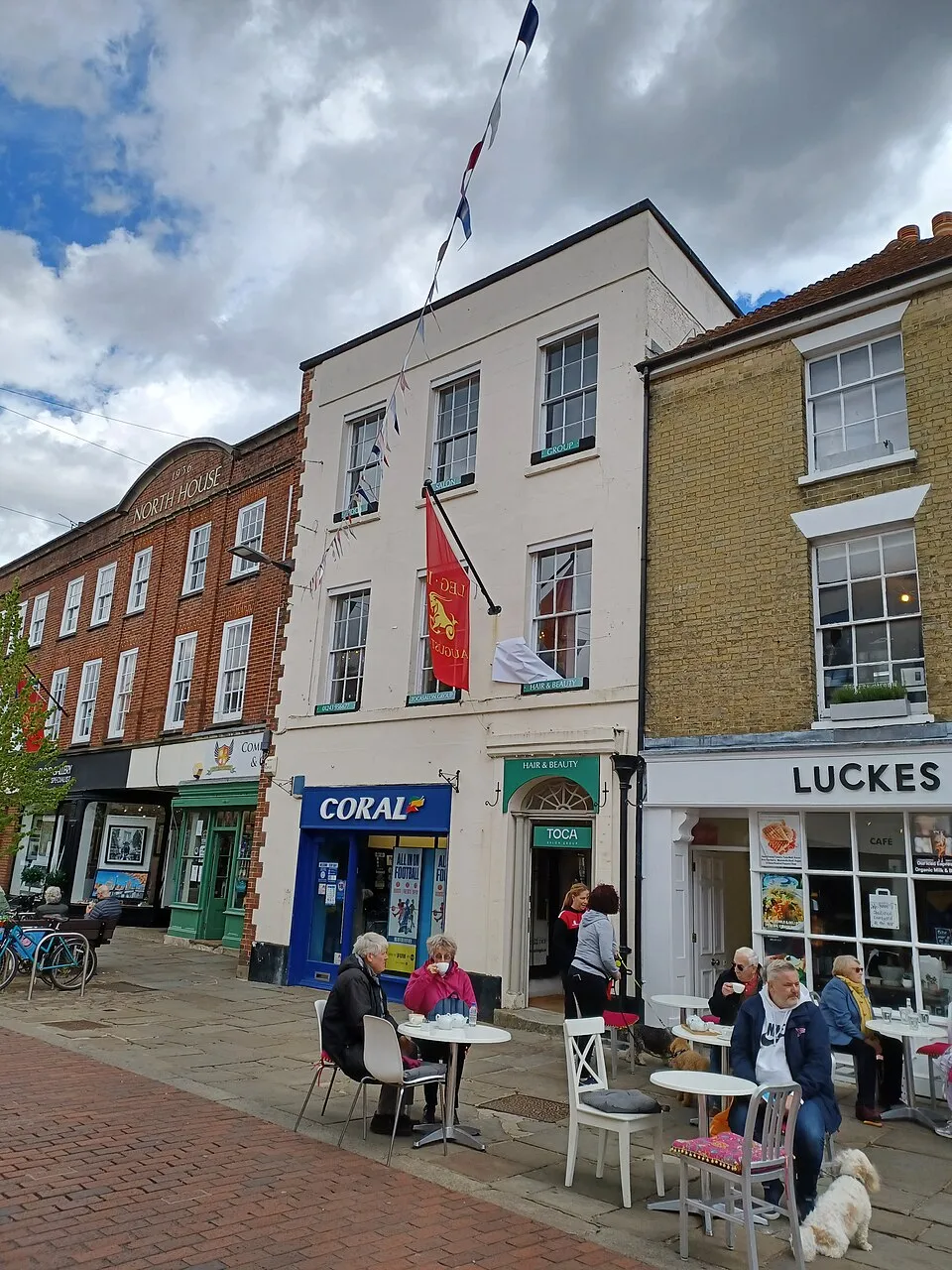
How does gambling affect the community?
Community Effects of Gambling Disorder Communities with high levels of gambling activity often see increased crime rates, a reduction in productivity, and a greater burden on local healthcare and social services.
Which level of gambling is considered pathological gambling?
Pathological gambling: A chronic inability to resist the impulse to gamble. The term is usually limited to cases where the gambling causes serious damage to a person's social, vocational, or financial life.
Is it true that 90% of gamblers quit before they hit it big?
The expression and accompanying 90% statistic is 100% fabricated. The idea simply originated from a social media meme, and nothing more.
Do gamblers have high IQ?
Cognitive Abilities and Gambling Research has shown that there is no direct correlation between intelligence and gambling addiction. Intelligence is a multifaceted concept that encompasses various cognitive abilities, such as problem-solving, decision-making, and critical thinking.
What mental illness causes compulsive gambling?
People who gamble compulsively often have substance misuse problems, personality disorders, depression or anxiety. Compulsive gambling may also be associated with bipolar disorder, obsessive-compulsive disorder (OCD) or attention-deficit/hyperactivity disorder (ADHD).
