
Digital Identity Gambling Self-Exclusion: How Biometrics and ID Systems Are Preventing Harm in 2026
In March 2026, Ontario Lottery & Gaming issued a Request for Information for province-wide facial recognition self-exclusion across casinos and iGaming platforms, demanding NIST-ranked systems with bias detection. This deployment exemplifies how digital identity technologies—facial recognition, liveness detection, and national digital IDs—are now enforcing self-exclusion in real-time, bypassing the 1000-day Australian government inaction on Peta Murphy’s landmark report.
While policy stalls, operators and regulators like OLG are building enforceable biometric systems that unify online and venue-based bans, setting a global standard for harm reduction. These advancements are part of the broader Fintech movement to leverage digital identity for harm reduction.
- Facial recognition and national digital IDs are being deployed in 2026 to enforce self-exclusion in real-time across online and venue-based gambling, moving beyond voluntary lists.
- Major deployments include Ontario’s OLG RFI for casino/iGaming facial recognition and NEC’s NeoFace Watch for Australian venue enforcement, requiring strict NIST bias and security standards.
- Key challenges are algorithmic bias (false positives/negatives), privacy exemptions lobbying, and rising digital identity fraud (4.18% of checks flagged in 2025), which must be balanced with harm reduction.
How Digital Identity Systems Enforce Gambling Self-Exclusion in 2026
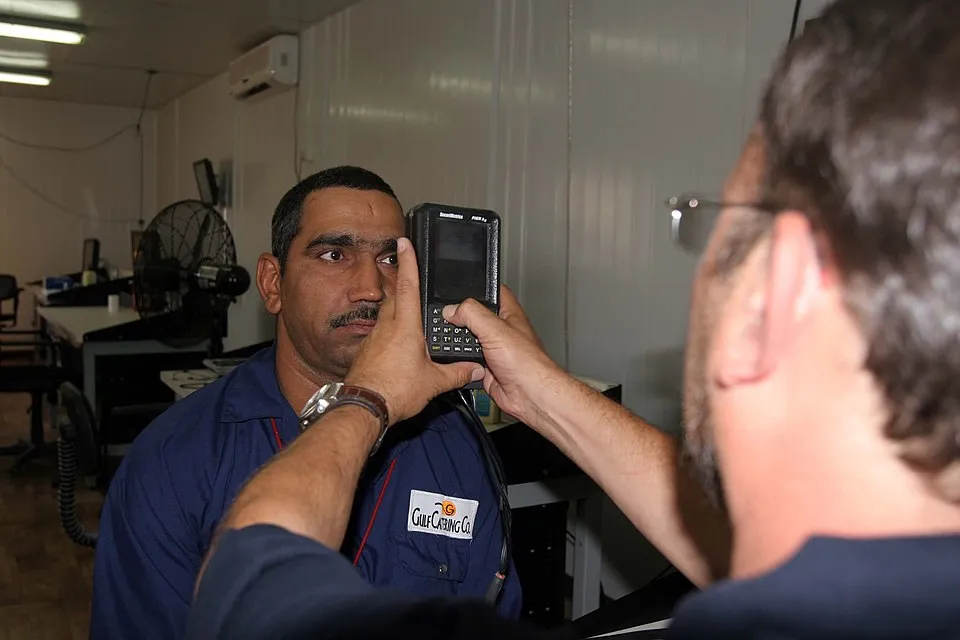
Digital identity systems enforce gambling self-exclusion by verifying a gambler’s identity against exclusion lists through biometrics (facial recognition) and trusted national ID frameworks, enabling real-time blocking across all gambling channels. These technologies transform self-exclusion from a voluntary honor system into an automated, non-bypassable barrier, addressing the loopholes that have plagued traditional paper-based and manual check systems. The integration of facial recognition with liveness detection and national digital ID wallets creates a multi-layered defense that can operate continuously, from account registration to each bet placement.
Facial Recognition and Liveness Detection: Core Enforcement Tech
- Real-Time Facial Matching: Systems compare live camera feeds against stored exclusion list images in milliseconds, triggering immediate alerts or access denial upon a match. Accuracy depends on NIST FRVT rankings, which regulators like OLG now mandate.
- Liveness Detection: Prevents spoofing attempts using photos, videos, or masks by verifying the subject is a living person through micro-movements, depth sensing, or infrared illumination. This is essential for reliable enforcement.
- Performance Standards: Modern deployments require quantified false positive and false negative rates under actual gaming conditions, moving beyond laboratory metrics to real-world efficacy.
These components work together to create a robust enforcement layer.
Facial recognition identifies potential matches, while liveness detection ensures the subject is present and not a replica. The demand for NIST rankings and bias metrics reflects a maturing market where operators must prove both accuracy and fairness. For example, OLG’s 2026 RFI explicitly asks vendors to provide these rates, acknowledging that errors have real consequences for both excluded individuals and legitimate patrons.
National Digital ID Integration: From Voluntary to Mandatory Exclusion
National digital ID systems, such as Denmark’s government-led digital trust framework, integrate identity verification directly into gambling account registration. By requiring a verified digital ID (e.g., through a national ID app), operators can automatically cross-check a user’s exclusion status against official registries during sign-up, making self-exclusion registration mandatory rather than optional. This contrasts with Australia’s BetStop, which requires ID pre-verification but relies on manual checks and lacks biometric enforcement at physical venues.
A national digital ID ties the gambler’s identity to a government-verified credential, closing loopholes where users create multiple accounts with fake details. In 2026, this integration is becoming a standard for high-assurance identity verification in regulated sectors, including gambling. Such integration is a key focus of current fintech solutions in the gambling space.
Cross-Platform Compliance: Unifying Online and Physical Venues
Historically, self-exclusion lists applied only to specific channels: online platforms or brick-and-mortar casinos, allowing gamblers to circumvent bans by switching venues. A centralized digital identity system, powered by shared biometric verification APIs, enables a single exclusion order to propagate instantly across all gambling channels. For instance, OLG’s planned province-wide system will cover both land-based casinos and iGaming platforms, ensuring that once a person is excluded, they cannot enter any regulated venue or access any online site under the same jurisdiction.
This cross-platform compliance is critical for harm reduction, as it eliminates the “venue hopping” that undermines traditional exclusion programs. The technical implementation typically involves a central registry that operators query in real-time via secure APIs, with biometrics providing the linkage between the registry and the individual at the point of entry or login. Operators may also combine biometric exclusion with third-party gambling blocks to prevent financial transactions from bypassing the system.
2026 Case Studies: OLG’s Tender and NEC’s Real-Time Casino Solutions
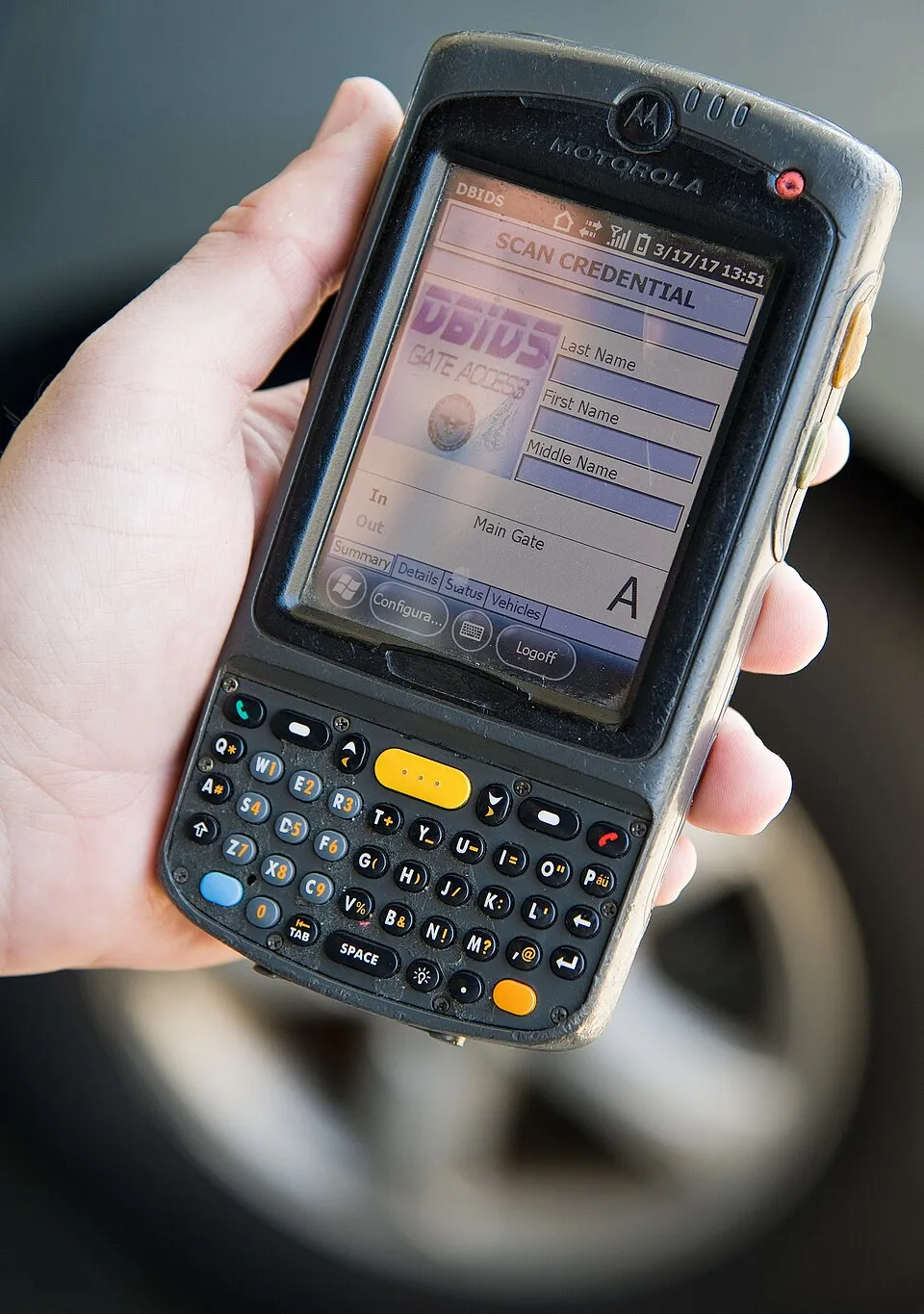
Two leading deployments in 2026 are Ontario’s OLG facial recognition tender and NEC’s NeoFace Watch, representing regulatory and commercial approaches to biometric self-exclusion that set precedents for global adoption. These deployments demonstrate that the technology is ready for large-scale implementation, with clear technical specifications and proven commercial products.
They also highlight the contrast between regions: while Australia debates policy for over 1000 days, Canada and private vendors are moving forward with enforceable systems. These cases are at the forefront of gambling harm reduction technology in 2026.
Ontario Lottery & Gaming’s March 2026 RFI: Technical Requirements
| Requirement Category | Specific Specification | Source/Notes |
|---|---|---|
| Deployment Scope | Province-wide across all Ontario casinos and iGaming platforms | OLG RFI, March 2026 |
| Core Technology | Real-time facial recognition matching against exclusion lists | biometricupdate.com, Mar 23, 2026 |
| Performance Standards | NIST FRVT rankings with bias detection protocols | Must meet NIST benchmarks for accuracy and fairness |
| Data Security | Encryption, secure storage, compliance with privacy laws | Specific specs to be detailed in vendor proposals |
| Timeline | RFI deadline April 7, 2026; implementation targeted 2026-2027 | biometricupdate.com, Mar 23, 2026 |
| Key Metrics | False positive and false negative rates under actual gaming conditions | Explicitly required to measure real-world accuracy |
This tender signals a shift from pilot projects to large-scale, mandatory biometric enforcement. By requiring NIST rankings and bias metrics, OLG is setting a high bar that could influence other jurisdictions. The focus on false positive/negative rates in gaming conditions acknowledges that errors have real consequences: false positives may wrongly ban legitimate patrons, while false negatives allow excluded individuals to enter.
Vendors must demonstrate not just technical capability but also ethical deployment practices. The April 7, 2026 deadline creates a tight timeline for vendors to respond with solutions that meet these stringent requirements.
NEC NeoFace Watch: Live Facial Matching in Australian Venues
NEC’s NeoFace Watch is a commercial facial recognition system already deployed for security and access control, now being adapted for gambling self-exclusion. In Australia, NEC has proposed using NeoFace Watch for real-time matching of patrons against exclusion lists in pokies venues and casinos, aligning with harm minimization recommendations. The system integrates with existing CCTV infrastructure to scan faces continuously, triggering alerts when a match is found.
Unlike OLG’s upcoming tender, which seeks a new province-wide solution, NEC’s product is available now and could be implemented immediately by Australian operators, provided regulatory and privacy hurdles are overcome. This demonstrates that the technology is ready; the challenge is policy adoption.
NEC’s solution also includes liveness detection to prevent spoofing and can be configured to meet NIST FRVT standards, making it a competitive option for jurisdictions seeking off-the-shelf deployment. It represents a practical digital tool for gambling addiction recovery that operates at the venue level.
HID Global’s 2026 Trends: Biometrics as Standard Identity Verification
- Transactional Biometrics: Facial recognition is expanding from physical access control to verifying identity during high-stakes transactions, including gambling account logins and bet placements, enabling continuous verification beyond initial sign-up.
- Multi-Modal Standards: Combining facial recognition with liveness detection and potentially other biometrics (e.g., voice) is becoming the default for high-assurance identity verification, reducing spoofing risks in self-exclusion enforcement.
- Digital ID Wallet Integration: Biometric systems are increasingly interoperable with national digital ID wallets (e.g., Australia’s Digital ID Bill), allowing a user’s verified identity to be presented securely to gambling operators without exposing underlying personal data.
HID Global’s trends indicate that biometric identity verification is maturing into a standard component of regulated financial and gaming services. For self-exclusion, this means operators can embed biometric checks seamlessly into user journeys, from registration to real-time play, creating a persistent, non-bypassable barrier. The integration with digital ID wallets also supports privacy-preserving verification, where the operator receives only a “yes/no” on exclusion status without seeing the person’s full identity details.
This aligns with global moves toward reusable digital identities, as seen in Denmark’s government-led digital trust framework. These trends are shaping innovative problem gambling solutions that are both effective and user-friendly.
Overcoming Bias, Privacy, and Fraud Challenges in Biometric Self-Exclusion
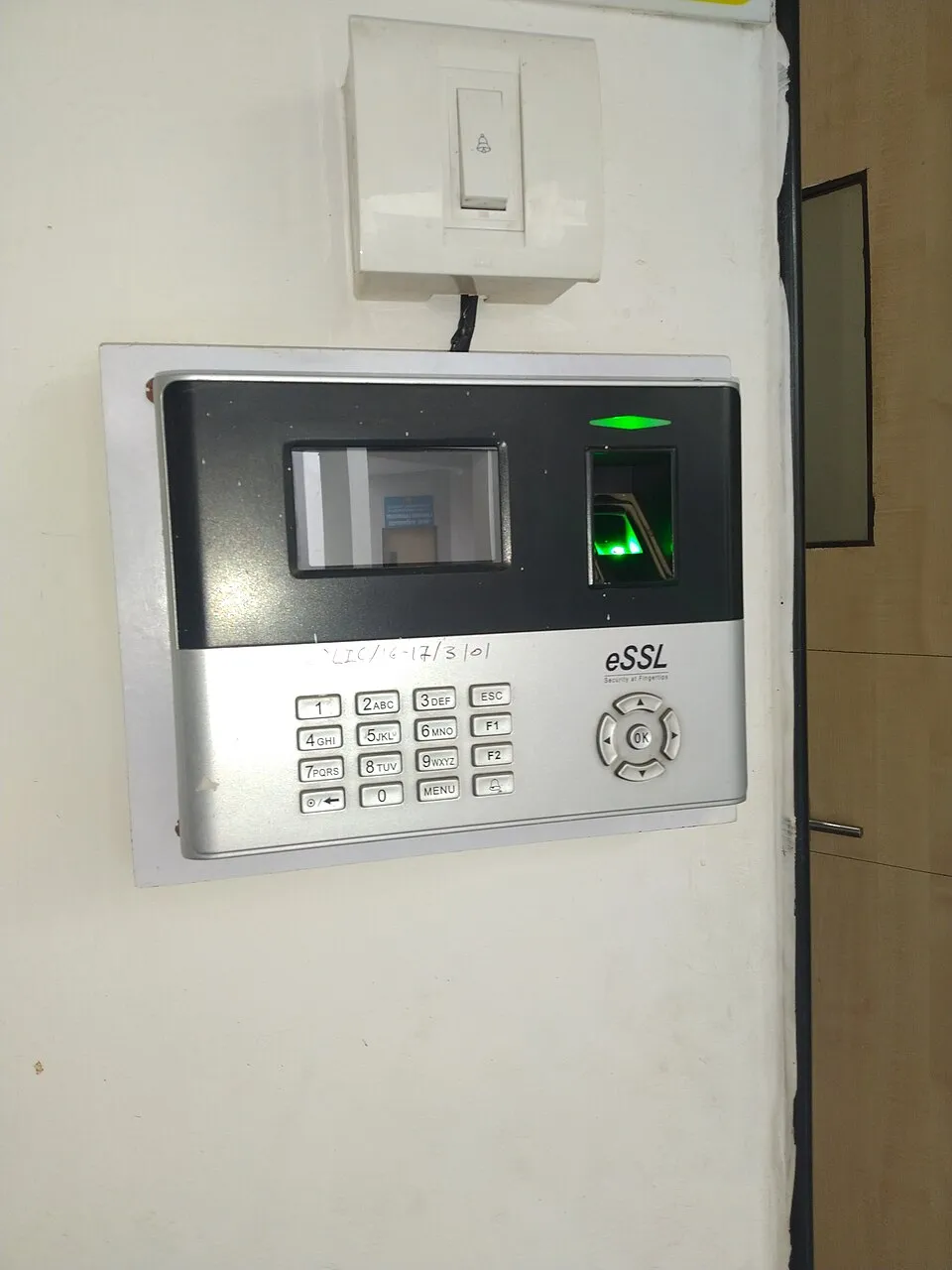
While biometric self-exclusion promises enforceable bans, its effectiveness hinges on addressing algorithmic bias, privacy exemptions, and digital identity fraud—all quantified challenges in 2026 that require careful mitigation. These challenges are not merely technical but involve ethical, legal, and social dimensions that could determine the widespread adoption of biometric enforcement. Regulators like OLG are already mandating specific metrics, while lobby groups and fraud statistics highlight the risks that must be managed.
Algorithmic Bias: OLG’s Mandate for False Positive/Negative Rates
Algorithmic bias in facial recognition can produce false positives (matching an innocent person to an exclusion list) or false negatives (failing to match an excluded individual). In gambling, a false positive could wrongfully deny a legitimate patron access to a casino, causing distress and potential legal challenges; a false negative defeats the entire purpose of self-exclusion by allowing harm to continue. Recognizing this, OLG’s 2026 RFI explicitly requires vendors to provide false positive and false negative rates under actual gaming conditions—not just controlled tests.
This demand for real-world metrics reflects a growing regulatory focus on fairness and accountability. Operators must select systems with proven low bias across diverse demographics, as mandated by standards like NIST FRVT’s demographic reporting.
The bias challenge is not merely technical; it also involves ensuring that the training data for facial recognition algorithms represents all population groups to avoid disparate impact. The requirement for these metrics is a direct response to community concerns about discrimination and aligns with the data-driven approach seen in behavioral analytics in gambling, where measurable outcomes guide system improvements.
Privacy Pushback: Lobby Groups Seek Biometric Exemptions from Digital ID Laws
- Privacy Concerns: Lobby groups argue that biometric data collection in gambling venues poses unacceptable privacy risks, including potential misuse or data breaches that could expose sensitive identity information.
- Data Security: Opponents claim that storing facial recognition templates creates a high-value target for hackers, and that current security measures may be insufficient to protect such immutable biometric data.
- Potential for Misuse: There are fears that biometric systems could be repurposed for broader surveillance beyond self-exclusion, eroding civil liberties in public spaces like casinos.
- Regulatory Exemption: As of February 2024, these groups successfully pushed for biometric exemptions in Australia’s Digital ID Bill, potentially allowing gambling venues to opt out of using biometric verification, which could fragment enforcement.
This pushback highlights the tension between harm reduction and individual privacy rights. While regulators like OLG move forward with biometric tenders, political opposition in Australia threatens to create a patchwork where biometric enforcement is optional.
The outcome will depend on whether the demonstrated public health benefits outweigh privacy concerns in legislative debates. For operators, this means navigating a complex regulatory landscape where compliance may vary by jurisdiction.
The Fraud Problem: 4.18% of Digital ID Checks Flagged as Fraudulent in 2025
In 2025, digital identity verification checks flagged 4.18% of attempts as fraudulent, according to SQM Magazine (March 2026). This fraud includes synthetic identities (completely fabricated credentials) and stolen documentation used to bypass exclusion lists. Even with biometric facial recognition, if the initial identity verification is compromised—meaning the person registering the self-exclusion is not who they claim to be—the biometric template stored may not match the actual gambler.
Thus, a robust biometric self-exclusion system must integrate fraud detection at the identity proofing stage, ensuring that the biometric data linked to an exclusion order belongs to the correct individual. This layered approach—strong identity verification plus biometric enforcement—is essential to close loopholes.
The 4.18% figure underscores that fraud remains a significant threat, requiring continuous improvement in document verification and liveness detection to stay ahead of sophisticated attackers. The presence of fraud also reinforces the need for integrated support services, such as financial counseling for gambling harm, to address the underlying financial pressures that drive identity misuse.
Technology is leapfrogging policy—private operators and regulators like OLG are building enforceable biometric systems now, despite national policy inaction on the Murphy report. While Australian politicians debate for over 1000 days, practical solutions are being deployed in Ontario and by vendors like NEC, proving that enforceable self-exclusion is technically feasible today. This gap between technological capability and regulatory adoption presents both an opportunity and a challenge: to implement systems that are effective, fair, and privacy-respecting.
If you or someone you know is self-excluded, verify whether your used casinos or online platforms have implemented certified biometric exclusion (ask for their vendor, e.g., NEC, HID) and ensure they publicly report bias audit results. Advocate for transparent false positive/negative rates and demand that operators integrate with national exclusion registers using verified digital IDs to maximize coverage.
For policymakers, the OLG tender offers a blueprint: mandate NIST-ranked biometrics with bias detection, and fund research into reducing false positives that could alienate legitimate patrons. The future of gambling harm reduction lies in this fusion of digital identity and biometric enforcement—if we can solve the accompanying ethical and technical challenges.
Meta Description: Discover how facial recognition and national digital IDs enforce gambling self-exclusion in 2026. Real-world cases from OLG, NEC, and HID Global. Address bias, privacy, and fraud challenges.
Slug: digital-identity-gambling-self-exclusion-2026
Tags: Peta Murphy, Ontario Lottery & Gaming, NEC NeoFace Watch, HID Global, BetStop, Digital ID Bill, facial recognition, liveness detection, national digital ID, self-exclusion registers
Keywords: digital identity gambling self-exclusion, biometric self-exclusion, digital ID gambling, facial recognition gambling, self-exclusion enforcement, gambling harm reduction technology
