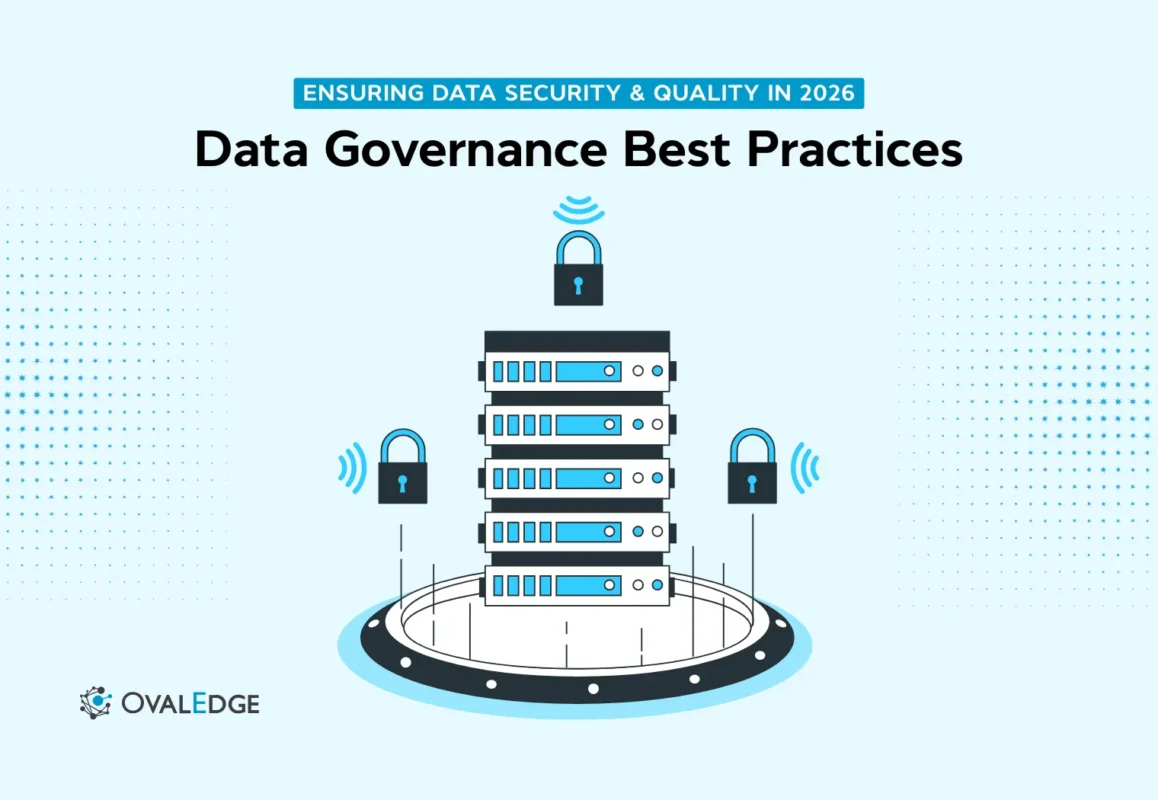
In 2026, Australian gambling operators face a new legal reality: comprehensive data governance frameworks are mandatory under recent federal reforms. These requirements directly implement the harm reduction principles advocated by the late Peta Murphy in her 2023 report ‘You Win Some, You Lose More’, which called for stronger data oversight to protect vulnerable players. The reforms, announced just three days ago, establish data governance as a cornerstone of regulatory compliance, demanding robust systems for player data protection, privacy, and ethical use across all gambling operations.
- 2026 Australian reforms mandate data governance for gambling operators to protect player data and reduce harm.
- Frameworks like DAMA-DMBOK and COBIT provide structured approaches for compliance and security.
- Effective data governance integrates with responsible gambling initiatives, turning compliance into business value.
2026 Australian Gambling Reforms: Data Governance as a Legal Requirement
Recent Government Announcements on Gambling Ad Restrictions and Data Oversight
The 2026 reforms introduce four critical changes that directly impact data governance requirements:
- Time caps on gambling advertising: The reforms impose strict time-based restrictions on TV, radio, and online gambling advertisements, limiting exposure during peak viewing hours and protecting vulnerable audiences.
- Age verification requirements: Stricter age verification protocols must be implemented, requiring operators to maintain accurate, auditable records of player age confirmation.
- Uniform branding bans: A new prohibition prevents gambling brand logos from appearing on sports players’ uniforms, reducing normalization of gambling among youth.
- Digital oversight enhancements: Regulators now have expanded authority to monitor data processing activities, requiring operators to maintain comprehensive audit trails and demonstrate compliance with data integrity standards.
These advertising and branding restrictions directly impact data governance because they require operators to track not only player data but also marketing reach and demographic exposure. The digital oversight component specifically mandates that all data processing—from customer onboarding to real-time betting—must be fully documented, secure, and auditable.
Non-compliance carries significant penalties, making data governance a legal imperative rather than a best practice. Operators must also ensure their data governance aligns with broader Fintech standards for security and privacy, as financial data processing becomes increasingly regulated.
Peta Murphy’s Influence on Data Governance Requirements
Peta Murphy’s 2023 parliamentary report ‘You Win Some, You Lose More’ laid the foundation for today’s data governance mandates, though the government’s formal response was delayed for over 1000 days. Her investigation into online gambling harm emphasized the critical need for transparent data practices, particularly around player tracking and targeted advertising. The 2026 reforms finally operationalize her core recommendation: that gambling operators must be held accountable for how they collect, use, and protect player data.
Murphy’s advocacy transformed data governance from an internal IT concern into a public health and regulatory priority, ensuring that data oversight becomes a permanent fixture of Australian gambling law. For a deeper look at the Fintech policy context that supports these reforms, see the Fintech regulatory landscape.
Required Data Governance Elements Under New Australian Regulations
Australian regulators in 2026 specify five mandatory elements for compliant data governance. First, data processing integrity requires that all player information and game outcome data remain accurate, consistent, and tamper-proof throughout its lifecycle. Second, protection of sensitive player information encompasses personal details, financial data, and behavioral patterns, demanding encryption and strict access controls.
Third, game outcome data security ensures fairness by preventing unauthorized modification of results. Fourth, comprehensive audit trails must record every data access, change, and processing event for regulatory inspection.
Finally, cross-departmental accountability mandates clear ownership of data governance responsibilities across compliance, IT, marketing, and customer service teams. These elements work together to create a holistic governance structure that regulators can verify during audits.
Essential Data Governance Frameworks for Gambling Operators
Key Industry Frameworks: DAMA-DMBOK, COBIT, and ISO/IEC 38500 Compared
| Framework | Primary Focus | Gambling Industry Applicability | 2026 Compliance Strength |
|---|---|---|---|
| DAMA-DMBOK | Data management practices | High – directly addresses player data lifecycle, quality, and privacy | Strong – covers data processing integrity and protection requirements |
| COBIT | IT governance and controls | Medium – focuses on IT systems and processes, less on data-specific policies | Moderate – supports audit trails and system controls but needs supplementation |
| ISO/IEC 38500 | Corporate governance of IT | Medium – provides strategic direction but lacks operational detail | Moderate – good for executive accountability but requires additional frameworks for implementation |
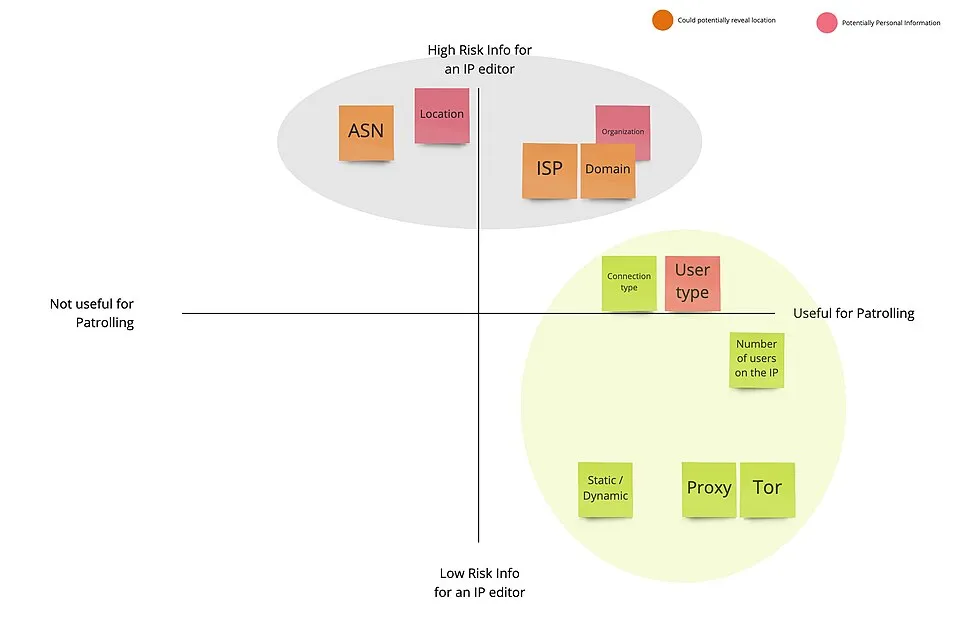
For gambling operators, DAMA-DMBOK emerges as the most directly applicable framework because it specifically addresses data quality, privacy, and lifecycle management—all critical under the 2026 Australian reforms. COBIT provides valuable IT control structures but must be paired with data-specific policies to meet the new data processing integrity requirements. ISO/IEC 38500 is useful for board-level oversight but requires operational frameworks like DAMA-DMBOK to translate into actionable governance.
Many operators adopt a hybrid approach, using DAMA-DMBOK as the foundation while incorporating COBIT controls for IT risk management and ISO/IEC 38500 for executive reporting. To support implementation, operators can leverage digital tools for gambling addiction recovery that integrate with governed data systems.
Core Components: Data Quality, Security, and Privacy for Player Protection
Data quality policies ensure accurate, complete, and consistent player data for reliable harm detection and profiling. This includes validation rules, data cleansing processes, and quality metrics that feed into risk scoring models. Security protocols implement encryption (both at rest and in transit), role-based access controls, and multi-factor authentication to protect sensitive player information and game outcome data from unauthorized access.
Privacy compliance requires adherence to Australian Privacy Principles and alignment with international standards like GDPR, ensuring transparent data collection, purpose limitation, and player rights including data access and correction. These three components form the operational backbone of any gambling data governance program. Data quality directly impacts the accuracy of harm detection algorithms; poor data leads to missed interventions or false positives.
Security protocols protect against breaches that could expose player identities and gambling histories, which are particularly sensitive. Privacy compliance builds player trust and meets regulatory requirements—operators must demonstrate not just technical compliance but a culture of privacy by design.
Without all three working in concert, data governance remains theoretical rather than effective. Operators seeking to enhance their data quality can explore innovative problem gambling solutions that leverage clean, governed data.
Securing Executive Buy-in: Identifying Meaningful Drivers
Successful data governance programs in gambling must align with executive priorities. According to industry surveys, 54% of organizations prioritize process efficiencies, while 39% focus on regulatory requirements. For gambling operators, this means framing data governance not as a compliance cost but as an enabler of operational excellence—reducing manual reporting, improving customer segmentation, and enabling faster decision-making.
A compelling pitch for leadership might state: “Our data governance initiative will cut compliance reporting time by 40% while enhancing our ability to identify at-risk players, directly supporting both our risk management and growth objectives.” This business-value framing resonates more strongly than technical arguments about data architecture. Additionally, linking data governance to financial counseling services demonstrates how governed data can support broader player welfare initiatives, further strengthening the executive case.
Integrating Data Governance with Responsible Gambling Initiatives

What Are the Two Sides to Responsible Gambling in Australia?
Responsible gambling in Australia operates on two complementary pillars, as defined by the Responsible Gambling Council: individual decision-making control and shared community responsibility. The first emphasizes empowering players to set limits, self-exclude, and maintain gambling within safe boundaries. The second recognizes a shared community responsibility for creating safer gambling environments, involving operators, regulators, and support services.
Data governance directly supports both sides. For individuals, robust data systems ensure accurate self-exclusion lists, enforce personalized betting limits, and trigger real-time interventions when harmful patterns emerge.
For the community, aggregated and anonymized data provides insights into broader gambling harm trends, informing public policy and enabling the industry to measure the effectiveness of harm reduction strategies across the population. This dual approach ensures that data governance serves both immediate player protection and long-term public health goals.
Defining Responsible Gambling: Control and Community Responsibility
At its core, responsible gambling means individuals maintain control over their gambling without negative impacts on health, finances, or relationships. However, simply telling players to “gamble responsibly” proves ineffective without structural supports. Data governance provides those supports by enabling proactive, data-driven interventions.
For example, governed data allows operators to automatically enforce deposit limits, implement mandatory cooling-off periods after significant losses, and deliver personalized feedback based on actual betting behavior. This moves responsible gambling from abstract messaging to concrete, enforceable safeguards.
Moreover, data governance ensures that these interventions are applied consistently and fairly, with full auditability to demonstrate compliance to regulators and build public trust. The integration of data governance with responsible gambling transforms vague aspirations into measurable, accountable actions that genuinely reduce harm.
Using Player Data to Enable Safer Gambling Outcomes
Governed player data, managed through platforms like OneTrust, powers modern harm reduction. By maintaining high-quality, secure data on betting patterns, session durations, and financial transactions, operators can deploy gambling harm reduction technologies that identify at-risk players in real time. For instance, a player who rapidly increases bet sizes after losses and chases losses across multiple games can be automatically flagged, triggering a required time-out or contact from a responsible gambling specialist.
This data also feeds regulatory reporting, demonstrating compliance with the 2026 reforms’ emphasis on digital oversight. Ultimately, effective data governance transforms raw player information into actionable insights that protect vulnerable individuals while meeting legal obligations. Operators can further enhance these capabilities by studying behavioral analytics for harm reduction to refine their predictive models.
A surprising insight: in 2026, robust data governance is becoming a market differentiator. Players increasingly choose operators with transparent data practices and proven harm reduction measures, directly impacting customer acquisition and retention. Action step: By Q3 2026, conduct a comprehensive gap assessment against the DAMA-DMBOK framework, prioritizing data quality and privacy modules to ensure both compliance and competitive advantage.
This proactive approach not only meets regulatory demands but positions your operation as a leader in responsible gambling, building trust that translates to long-term business sustainability. Additionally, consider integrating with third-party gambling blocks to enhance player protection through financial safeguards.
